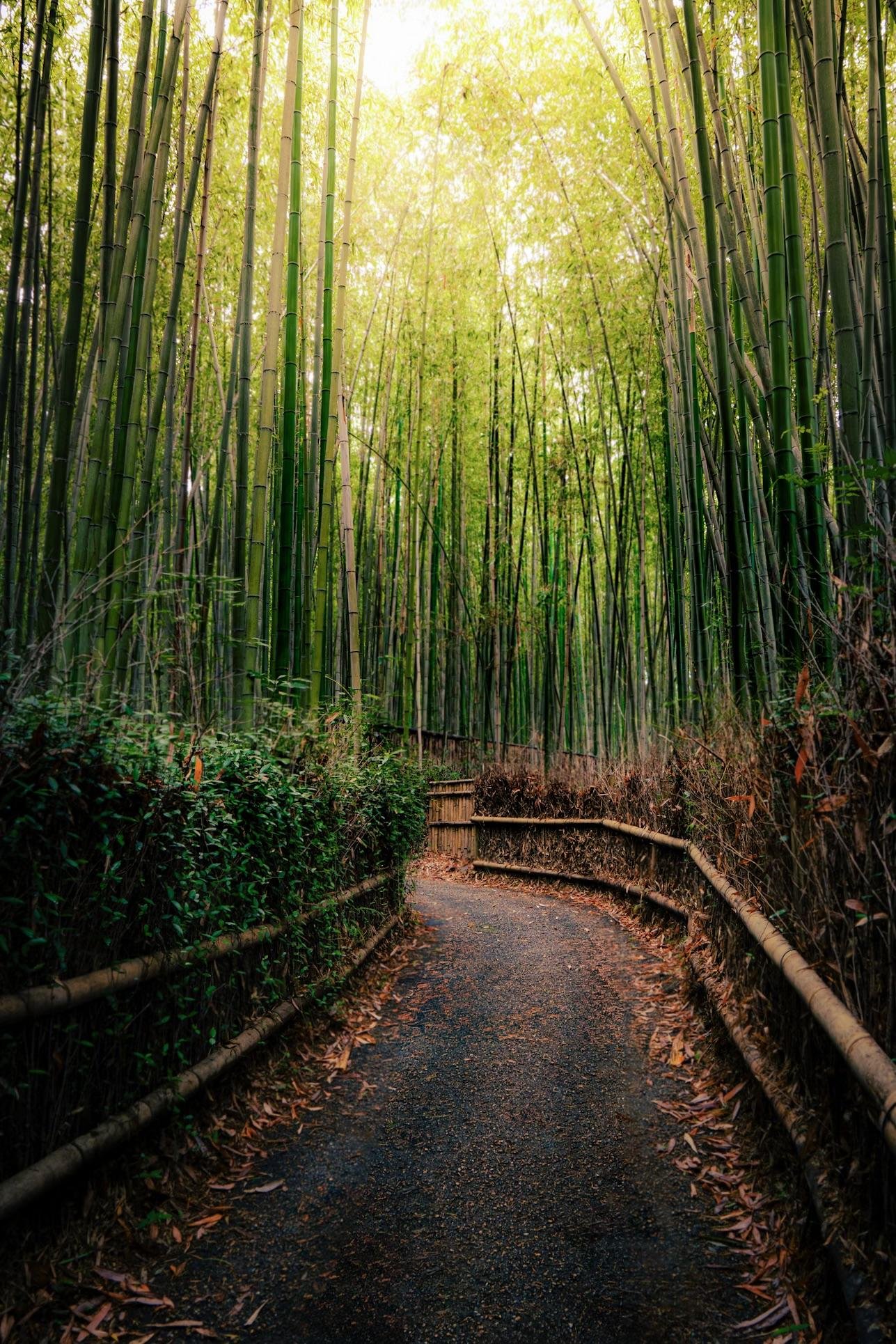
"Fabulous day in the mountains with great guide who explained everything in friendly manner. Great trip on the mountain train up the gorge. The walk was hard work, you need some experience, as the heat makes things harder, but beautiful setting, and very refreshed in the onsen afterwards. Beautiful valley with restaurants over the river to rest afterwards, thank you"
Kyoto · Kurama Mountains · Natural Onsen · English Guide
Hot Springs in Kyoto — Where to Find Onsen, and the Tattoo Rules
Kyoto surprises people: for all its tradition, it isn't a hot-spring town — the real onsen sit in the mountains around the city. This featured trip heads north to Kurama, hiking through cedar forest to a natural hot-spring bath with mountain views, guided in English. Below is the full picture — where to find onsen near Kyoto, the all-important tattoo rules, and how private and day-use baths work.
From
$78
per person
Free cancellation
- 15 Categories All Kyoto Experiences
- English Guides Local Experts
- Free Cancellation
The Experience
Why Book the Kurama Hot Springs Hike
The closest thing to a real onsen escape from central Kyoto — a guided forest hike in the northern mountains that ends in a natural hot-spring bath, all in a half-day.
Highlights
- Take a pleasant train ride from Kyoto through the mountains to a rustic village
- Hike through an ancient forest and visit the Kurama Temple on the mountaintop
- Enjoy a journey that is both energizing and spiritually refreshing
- Visit Kibune shrine and make a prayer for good relationships
- Take the opportunity to have a rejuvenating hot spring bath after the tour!
What's Included
- Guide fee
- Temple admission
- Transportation
How the Kurama Hot Springs Trip Works
Four steps from central Kyoto to a mountain soak and back.
Ride the Eizan Railway to Kurama
Meet your guide and take the scenic Eizan Electric Railway from Demachiyanagi up into the forested mountains north of the city, to the line's end at Kurama — a world away from downtown Kyoto in about half an hour.
Hike Through Kurama & Kibune
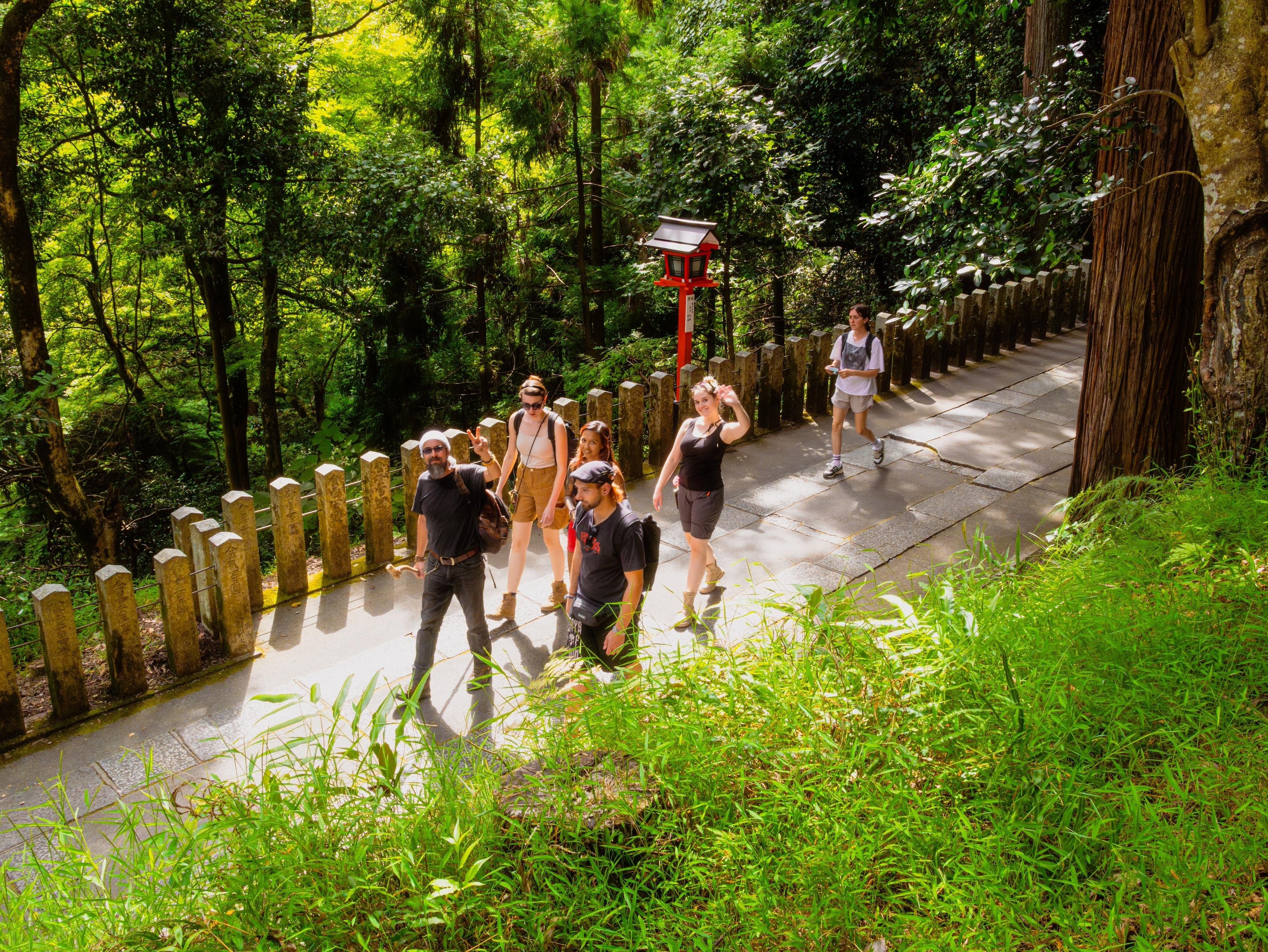
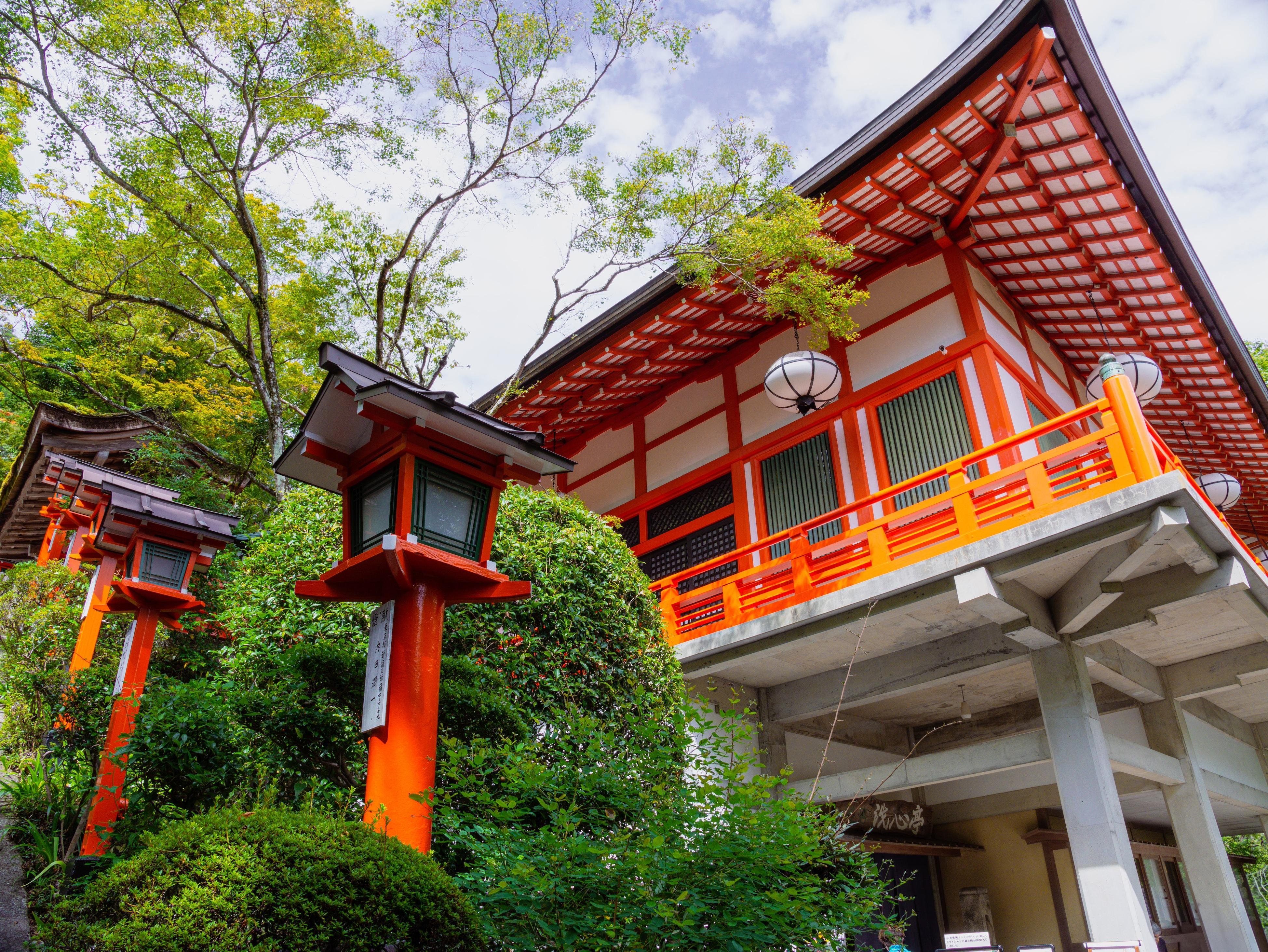
Walk the cedar-forest trail past Kurama-dera temple and over the ridge toward Kibune, with your English-speaking guide explaining the mountain's history and mythology along the way. Temple admission is included.
Soak in the Natural Hot Spring
Finish at Kurama's natural hot spring and its open-air bath (rotenburo), looking out over the cedar slopes — the reward for the hike, and the kind of mountain onsen you can't find in the city centre.
Relaxed Return to the City
Dry off and ride back down to central Kyoto. The whole trip is a half-day, so it slots neatly into an itinerary — a morning of soaking before an afternoon of temples, or the other way round.
Photo Gallery
Kurama & the Northern Mountains
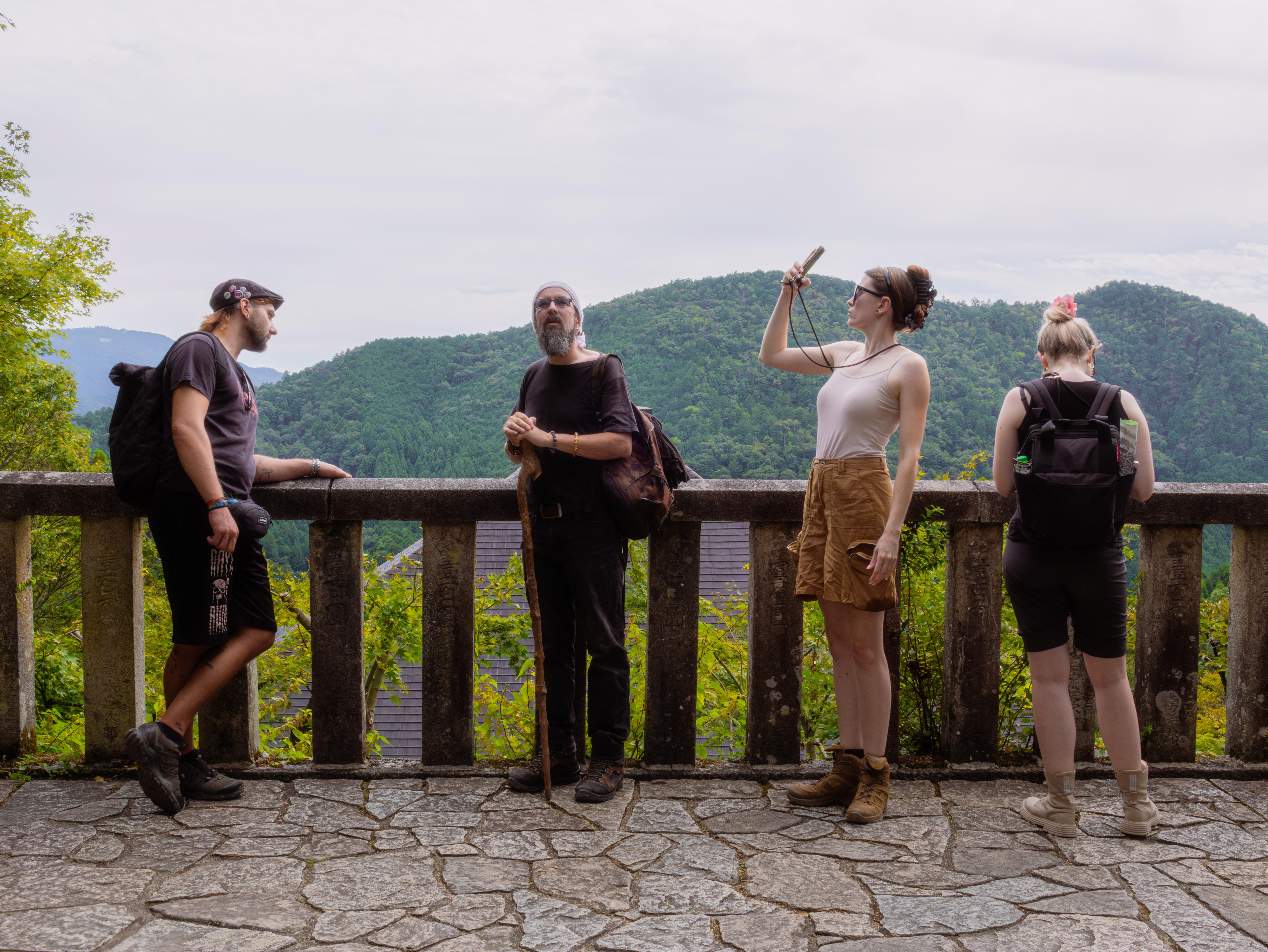
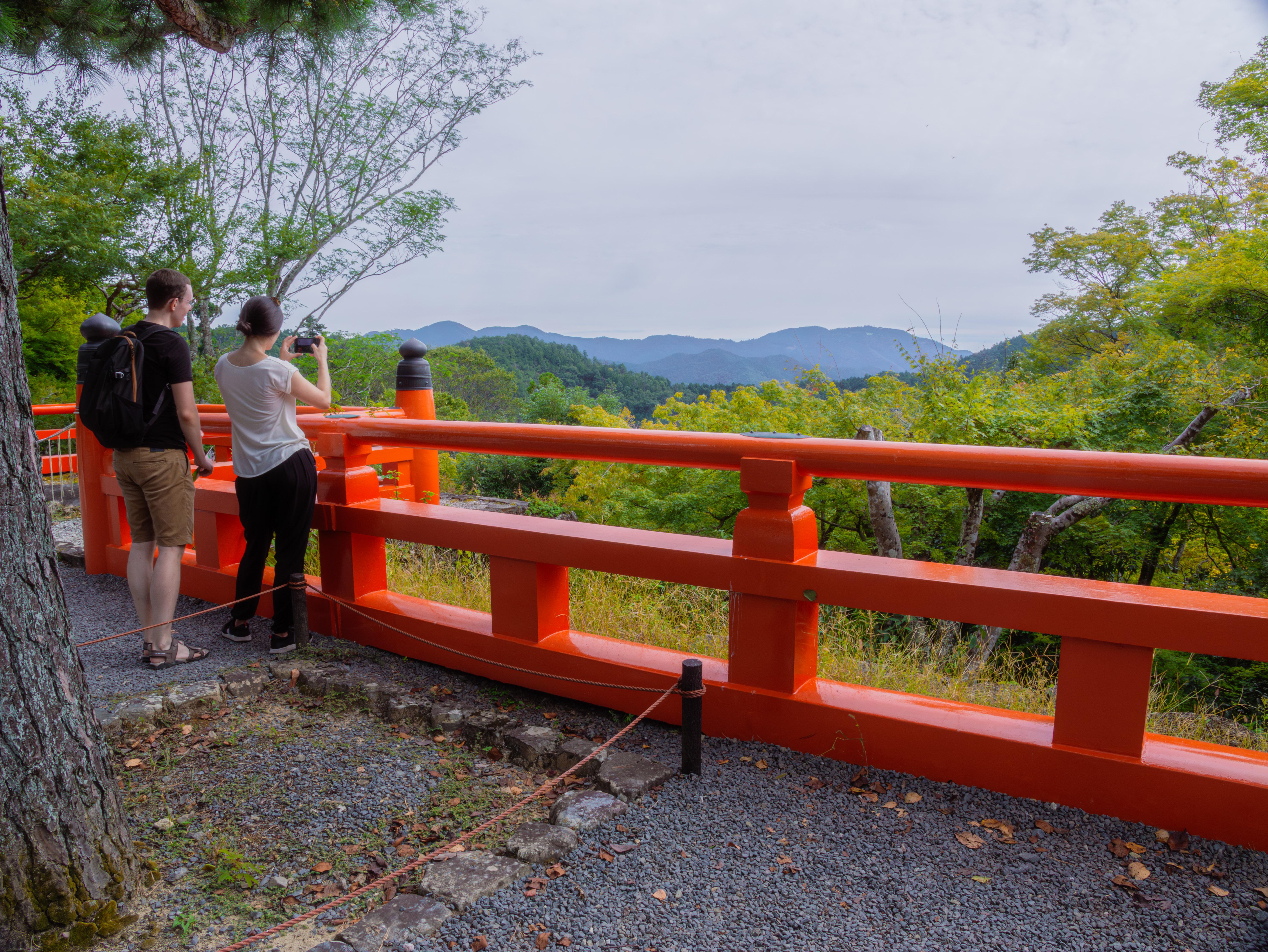
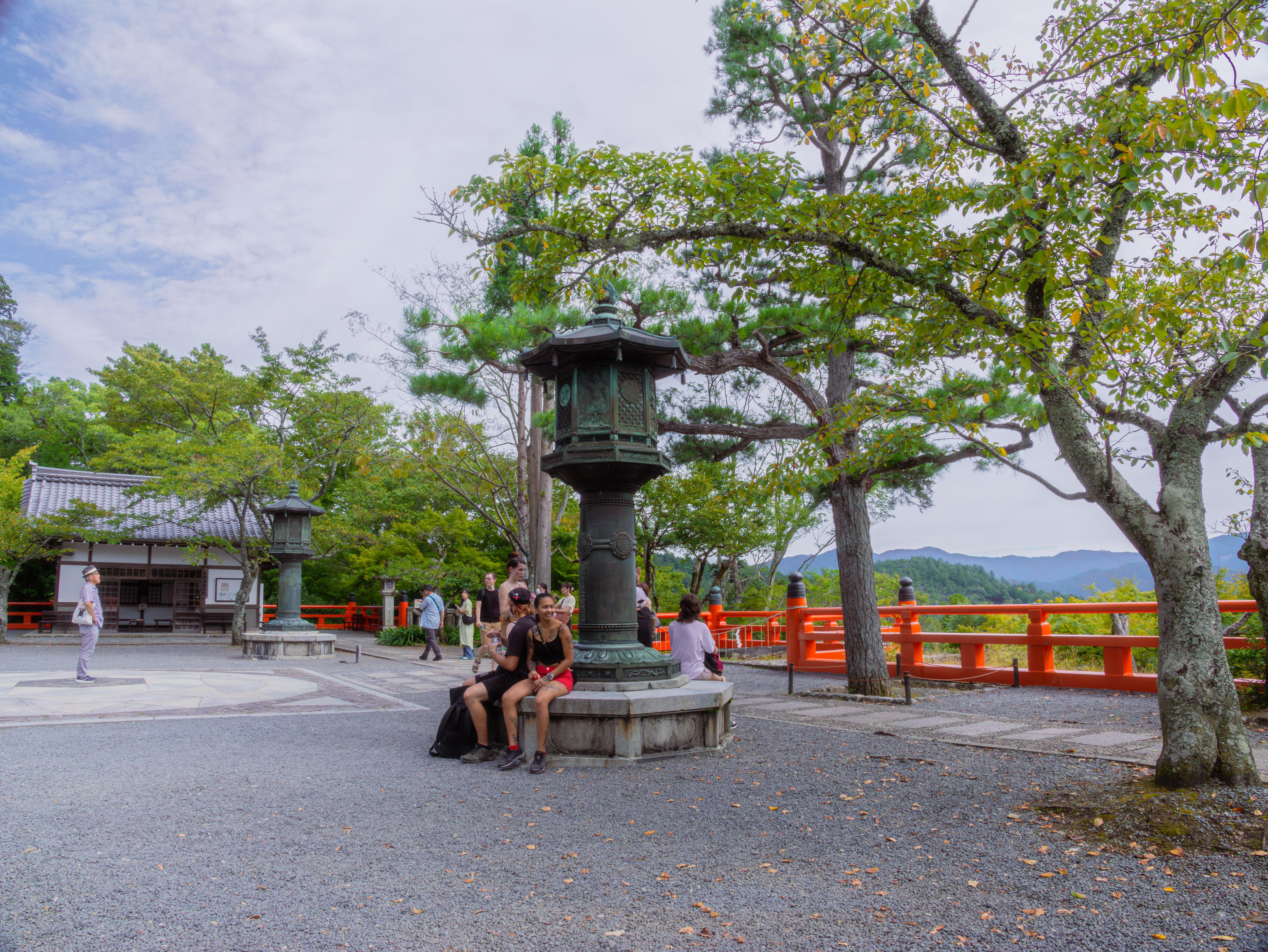
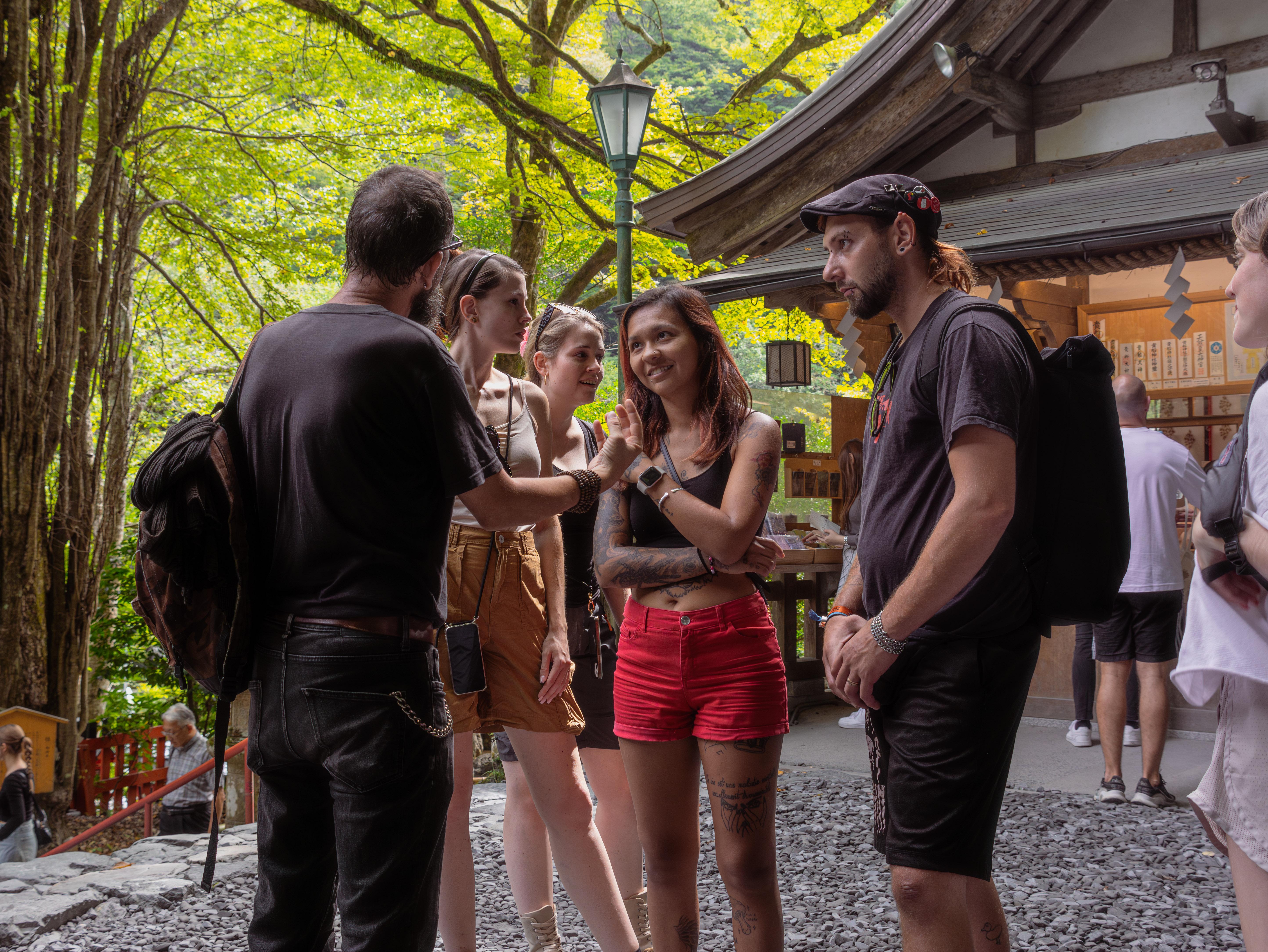
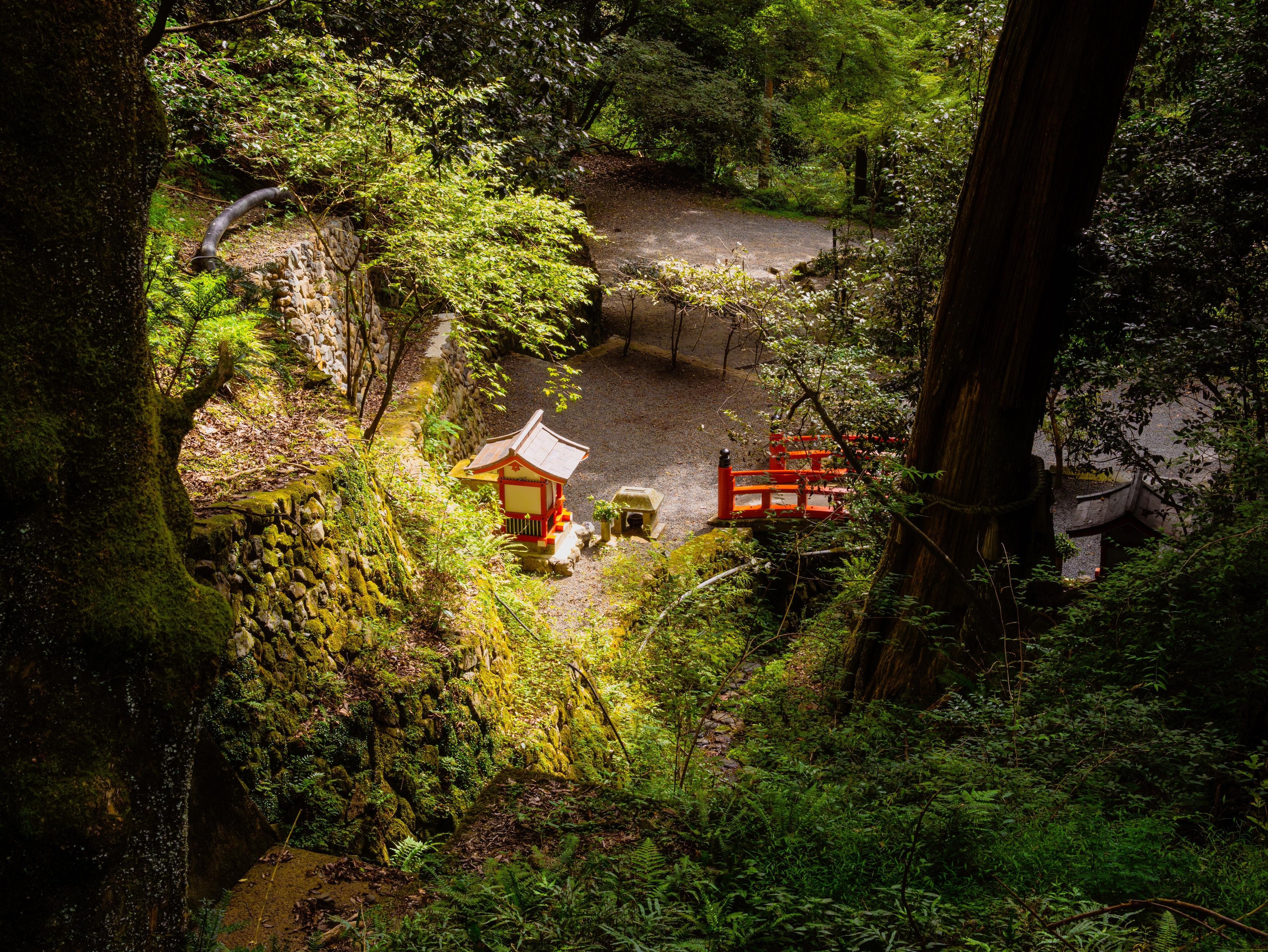
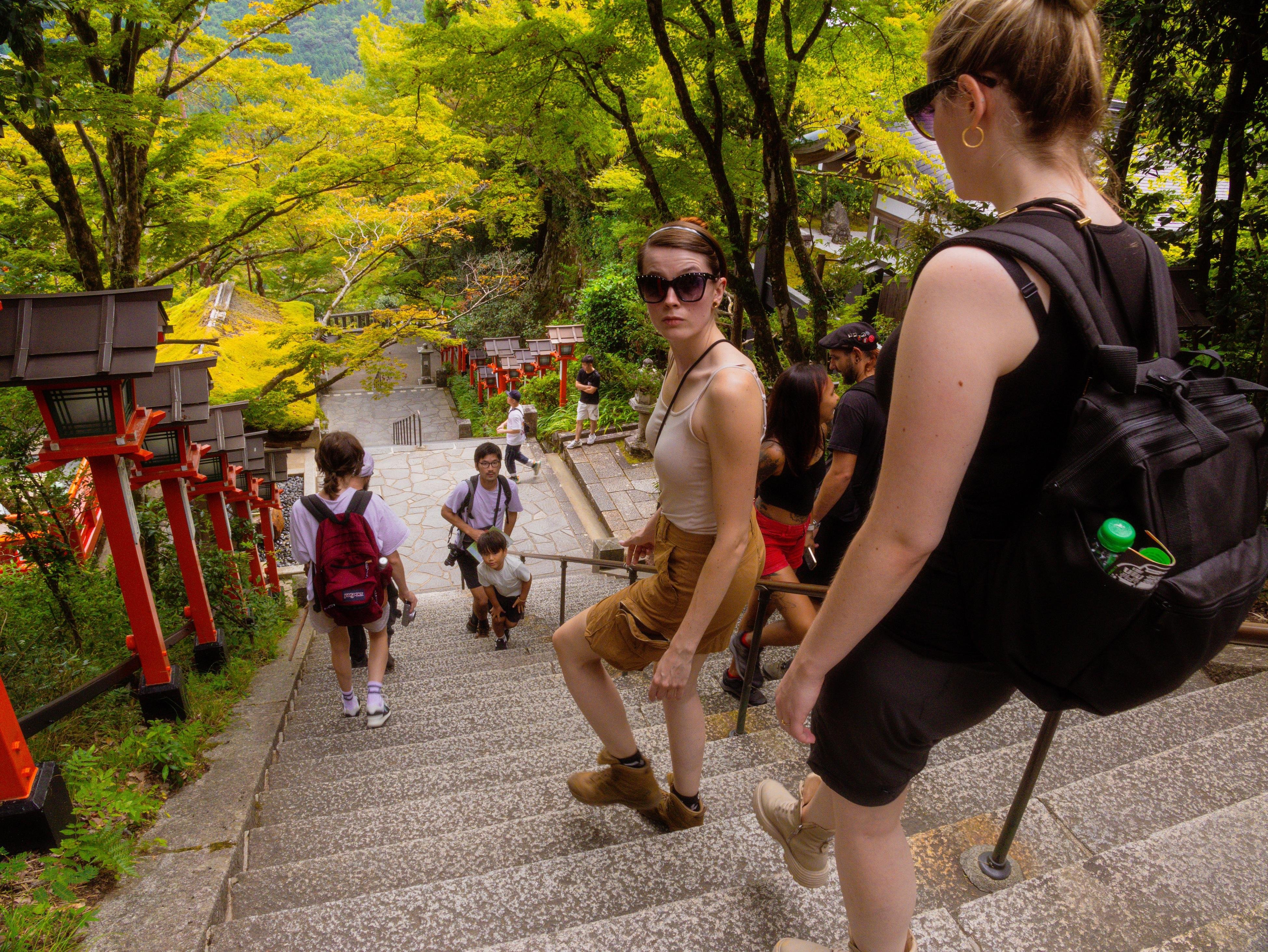
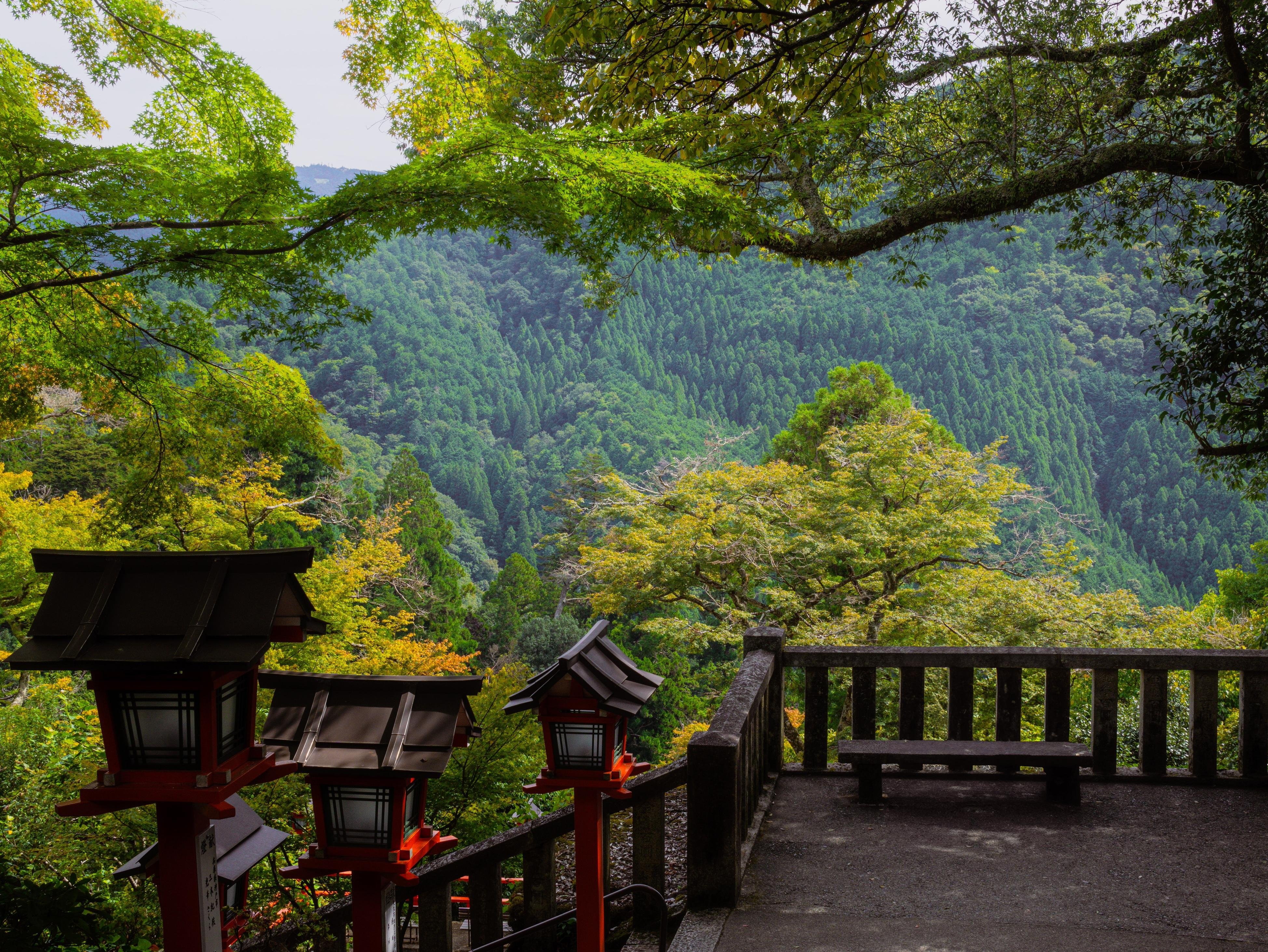
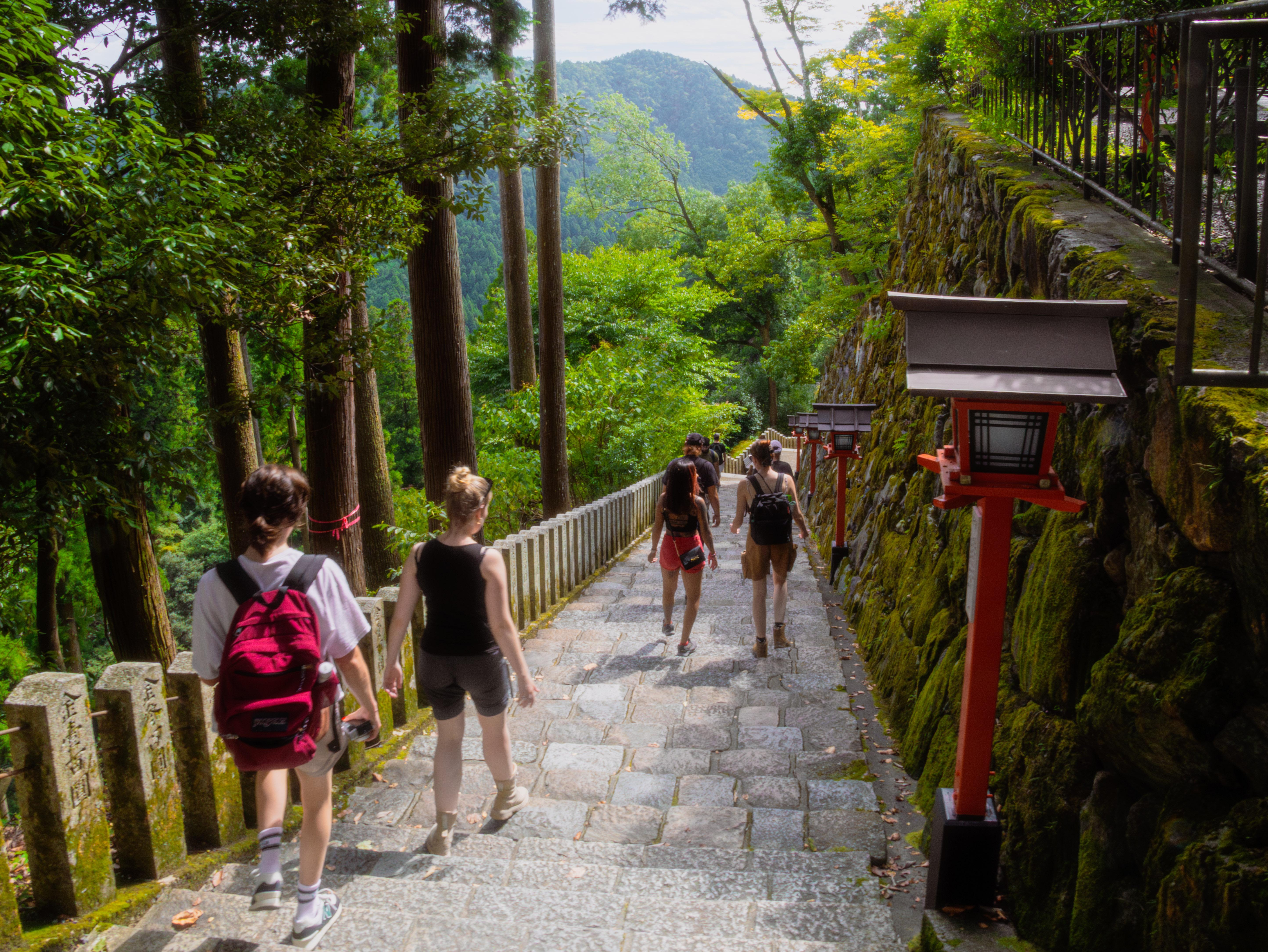
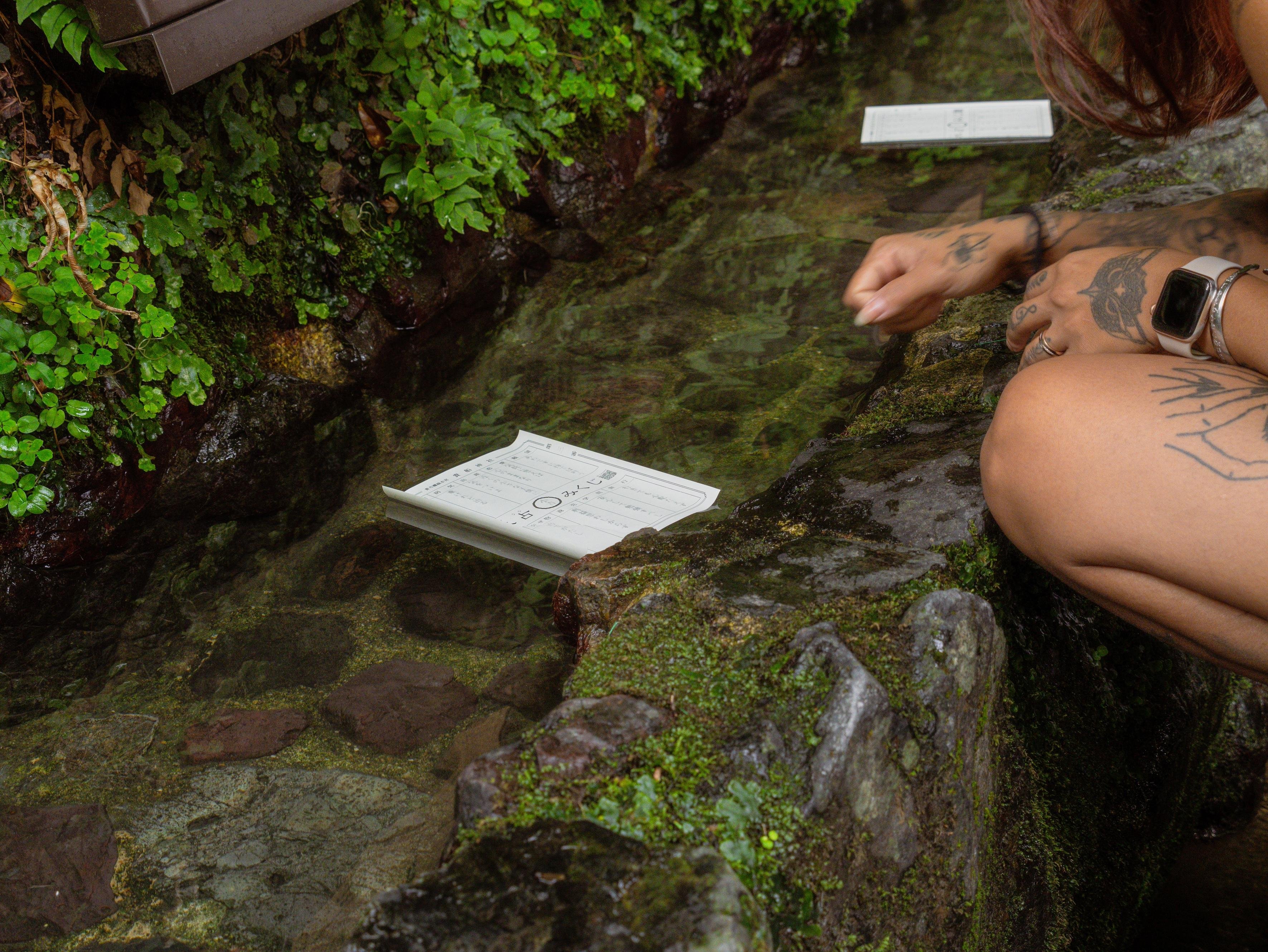
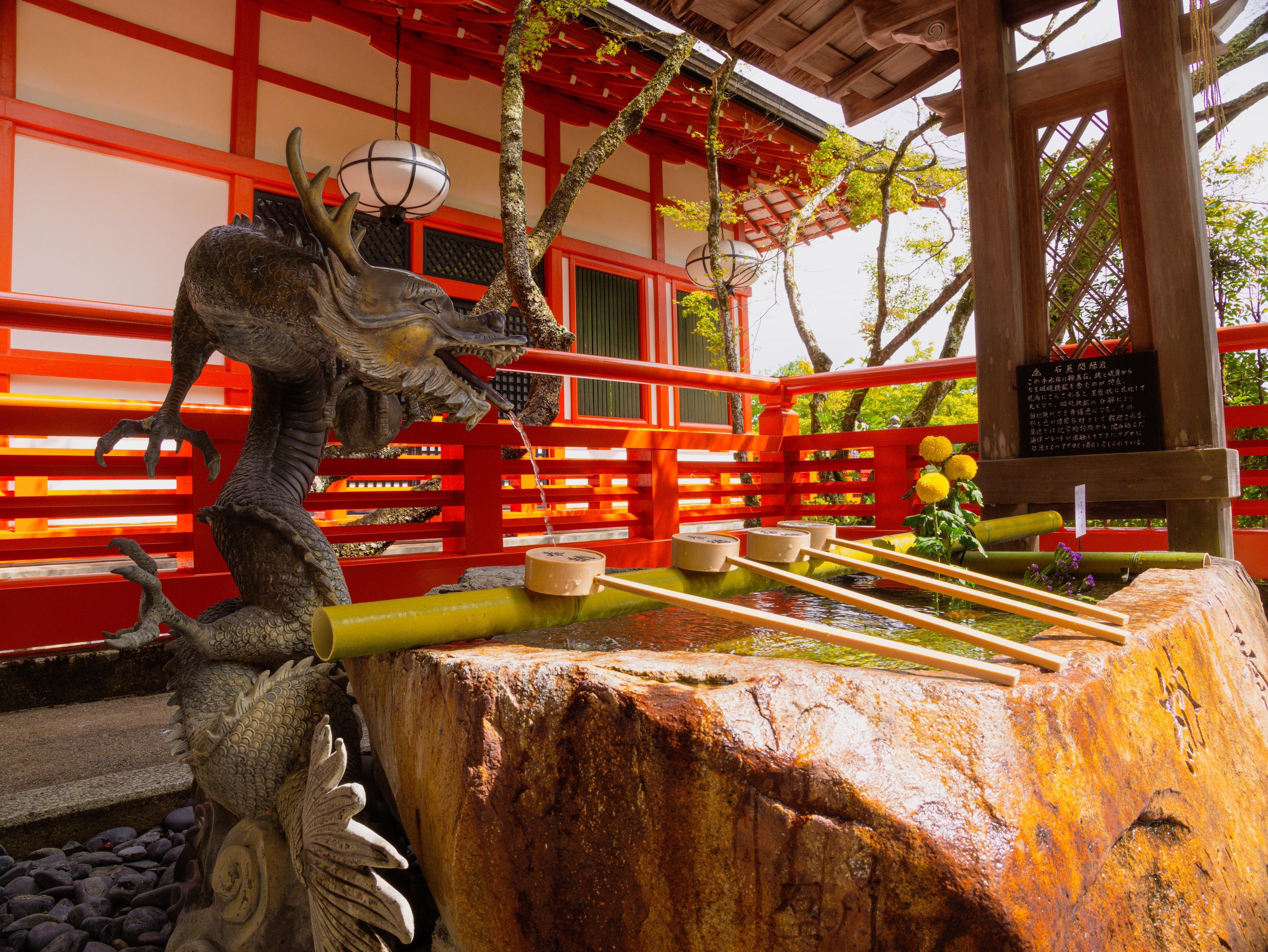
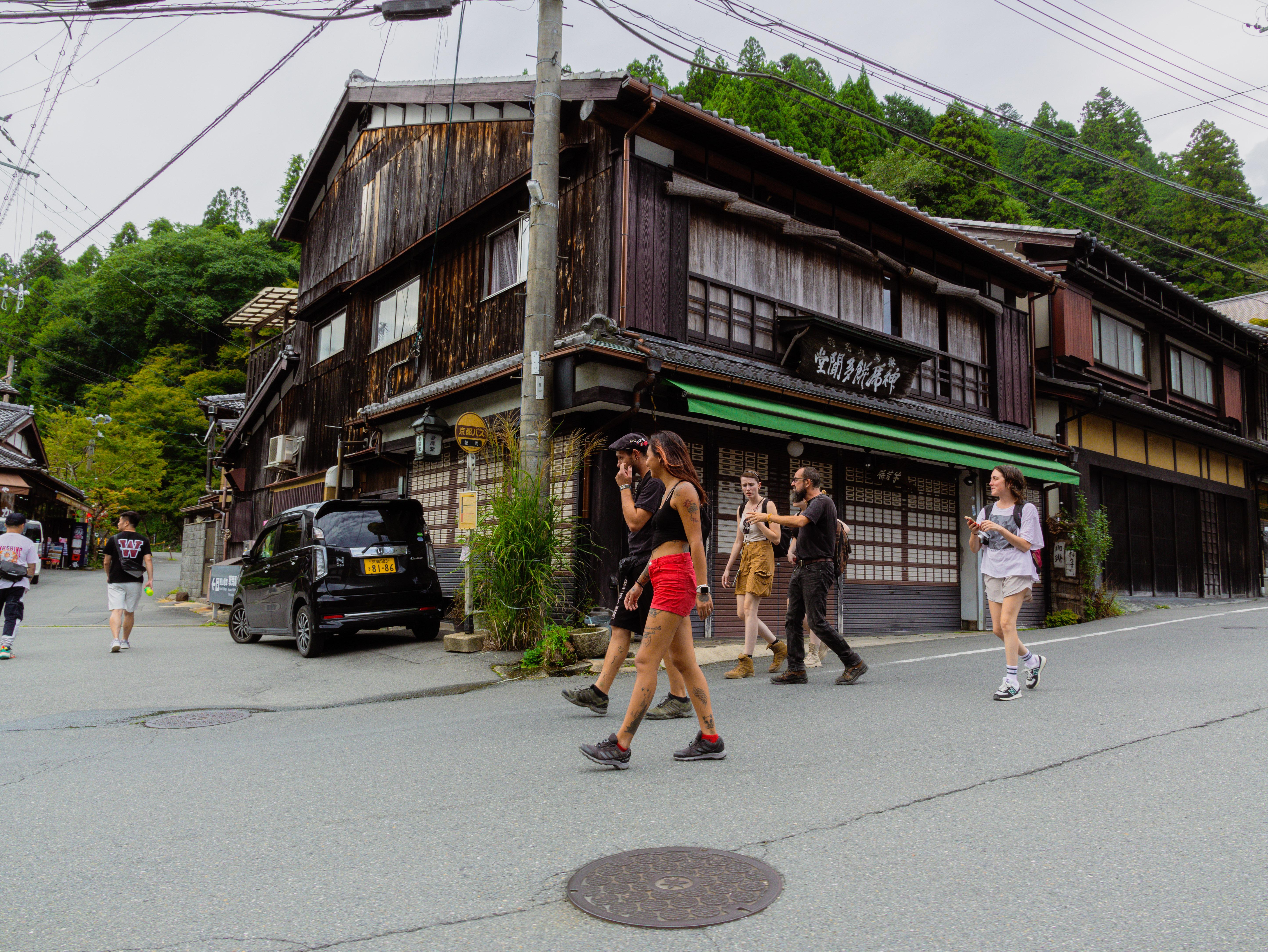
The Eizan railway, the cedar-forest trail through Kurama and Kibune, and the mountain hot spring at the end — captured by guests.
Book Your Experience
Check Availability & Prices
Select your preferred date and time. Instant confirmation — free cancellation up to 24 hours before departure.
Two Ways to Soak Near Kyoto — Kurama vs. Arashiyama
The two genuine onsen experiences you can book in advance. Here's how they differ.
| Feature | NATURAL ONSEN Kurama Hike & Hot Springs | Arashiyama Train, Boat & Onsen |
|---|---|---|
| Starting Price | From $78/per person | From $150 |
| Duration | Half-day | Full day |
| Rating | 4.9/5 (59 reviews) | 5/5 (107 reviews) |
| Where | Kurama — the mountains north of Kyoto | Arashiyama — western Kyoto |
| What You Do | Hike through Kurama's cedar forest, then soak in a natural mountain hot spring | Sagano Romantic Train, a Hozugawa boat cruise, the bamboo grove, and an onsen soak |
| Pace | Active — a guided hike to the bath | Relaxed & scenic |
| Best For | Hikers who want a natural onsen as the reward | A full scenic day that finishes in the hot spring |
| English-Friendly? | Yes | Yes |
| Check Availability | View Scenic Day |
More Onsen-Inclusive Kyoto Experiences
Prefer your soak at the end of a scenic day? The Arashiyama tour pairs the Sagano Romantic Train and a Hozugawa boat cruise with an onsen — the relaxed counterpart to the Kurama hike.
The Real Onsen Picture
Hot Springs in Kyoto: Where to Soak, and the Rules No One Tells You
Kyoto isn't the hot-spring town visitors expect. Here's where the real onsen are, how the tattoo rules work, and how to soak without staying overnight.
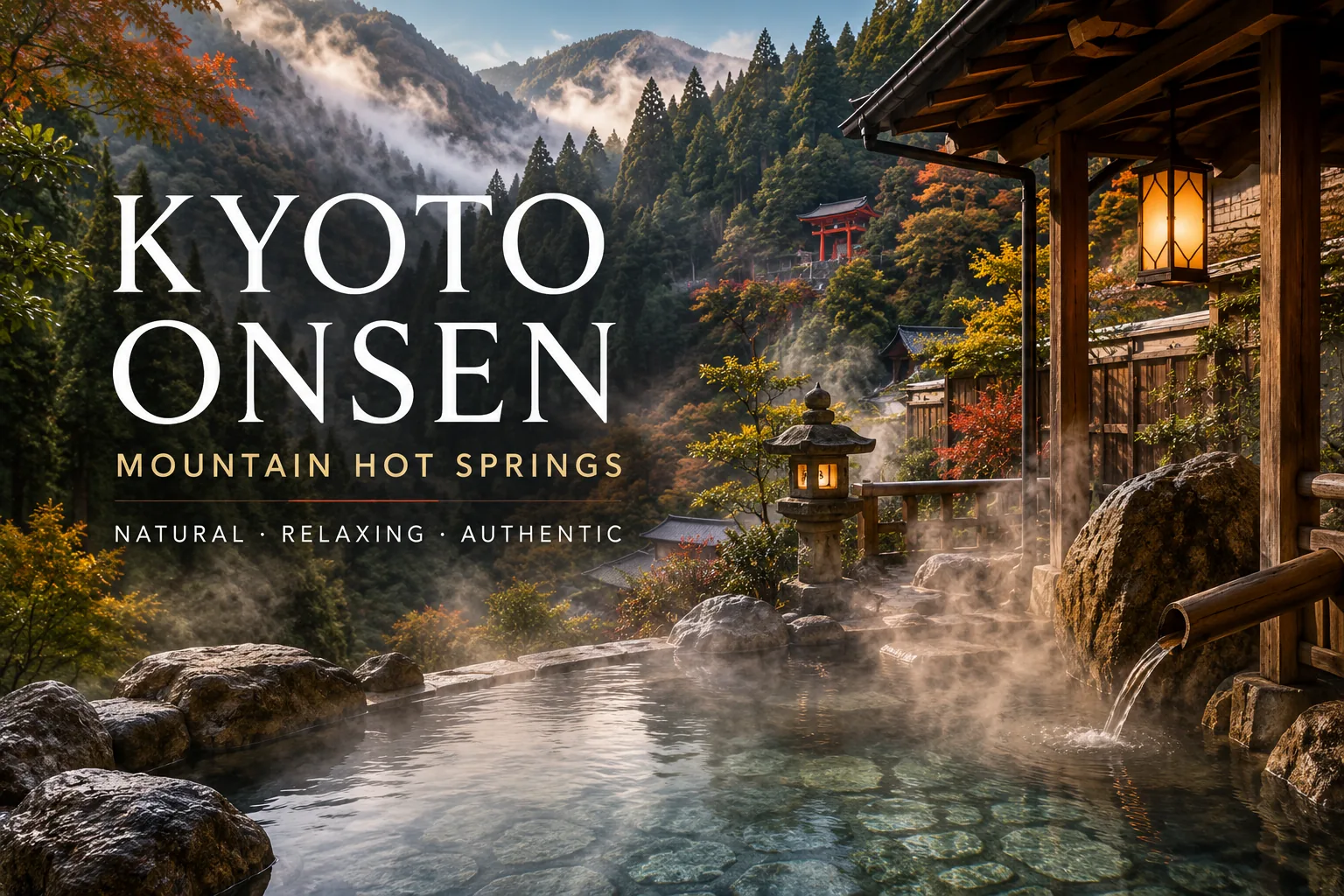
Here’s the thing most guides skip: Kyoto isn’t a hot-spring town. Unlike Hakone or Beppu, it sits on no volcano, so there’s no cluster of steaming baths downtown. What Kyoto has instead are natural hot springs in the mountains around the city — and once you know where to look, soaking becomes one of the best ways to escape the temple crowds for an afternoon.
Where the onsen actually are
Kyoto’s springs are deep, non-volcanic geothermal water, and they’re on the edges:
- Kurama — the closest real onsen, up in the cedar-forested mountains to the north. This is where the featured hike-and-hot-springs trip goes.
- Ōhara — a quiet rural village northeast of the city with onsen ryokan, good for a slower day.
- Arashiyama — the western district has onsen ryokan and inns, easily tacked onto a day of bamboo grove and river scenery.
- Kinosaki Onsen — not in Kyoto at all, but the classic day-trip: a dedicated hot-spring town in Hyōgo, about 2 to 2½ hours away by limited-express train, where guests stroll between seven public bathhouses in yukata. The full onsen-town experience if a single bath isn’t enough.
Kurama: the closest real soak
Kurama is the easy answer for anyone based in central Kyoto. You ride the scenic Eizan Electric Railway from Demachiyanagi to the end of the line, and the onsen sits in the mountains with an open-air bath (rotenburo) looking over the cedar slopes (there’s even a free shuttle from the station). The guided trip above turns it into a half-day: a forest hike past Kurama-dera temple and toward Kibune, then the soak as the reward.
The tattoo question — read this before you go
This trips up more visitors than anything else: many Japanese onsen still refuse entry to guests with visible tattoos, a rule rooted in tattoos’ historic association with organized crime. The good news is that attitudes are shifting — roughly half of facilities now accommodate tattoos — and there are three reliable workarounds:
- Choose a tattoo-friendly facility (Kinosaki Onsen’s bathhouses, for example, are entirely tattoo-friendly).
- Rent a private/family bath — a kashikiri-buro you reserve for your own group, which also suits couples, families, and anyone shy about communal bathing.
- Cover a small tattoo with a waterproof patch, where the facility allows it.
If you have tattoos, booking a private bath is the surest way to soak without any awkwardness.
Day-use, and the etiquette that matters
You don’t need to stay overnight: many onsen and ryokan offer day-use (higaeri) admission, so you can head out from the city, soak for a few hours, and come back. Once you’re there, the etiquette is simple but non-negotiable — wash and rinse thoroughly before getting in (the communal bath is for soaking, not cleaning), bathe naked (no swimsuits), keep your small towel out of the water, and tie up long hair. Note the difference, too: an onsen is fed by natural geothermal hot-spring water, while a sentō is a public bathhouse using ordinary heated water — both relaxing, but only one is the real hot-spring experience.
Ready for the mountain version? Check availability on the Kurama hot-springs hike, or see the Arashiyama onsen day above for the scenic alternative.
Guest Reviews
What Visitors Say
"Phillip was a fantastic guide! Knowledgeable, down to earth, and fun. He knew all the cool people most people don’t know about. Plus, the views and history are excellent. I’d highly recommend taking this tour!"

"Philippe did an amazing job with us. by luck we ended up being the only folks on the tour, and he was able to customize it a bit for us. we got to spend lots of time at Kurama, and even got to see the crypt and maze underneath the temple. He shared lots of the area's history and legends with us, and we got along very well with him. The onsen at the end is glorious, do *not* miss it -it is de rigueur after hiking in the mountains. What a wonderful experience all around!"
"Kevin was very knowledgable and gave us a lot of historical and cultural context."
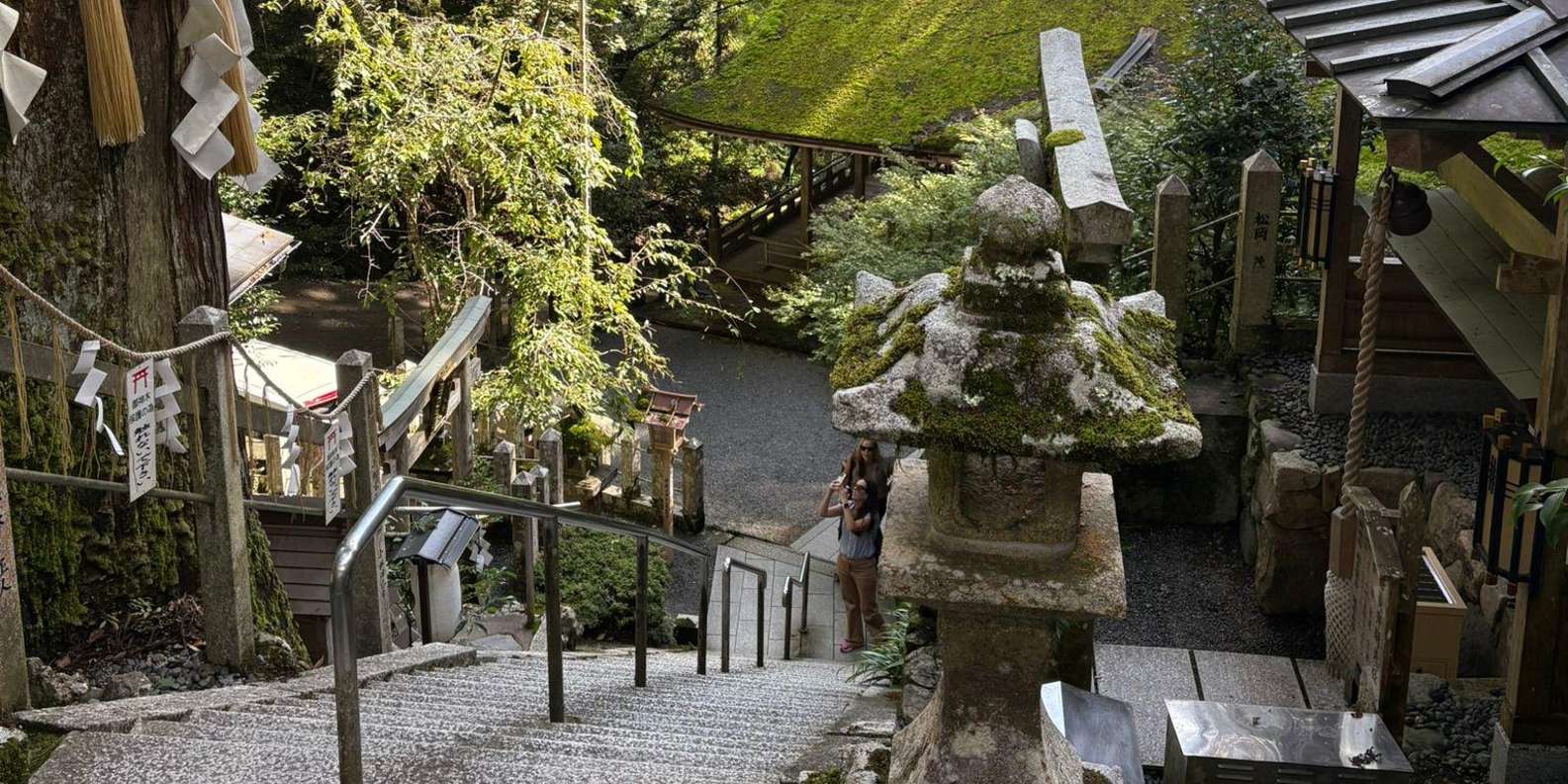
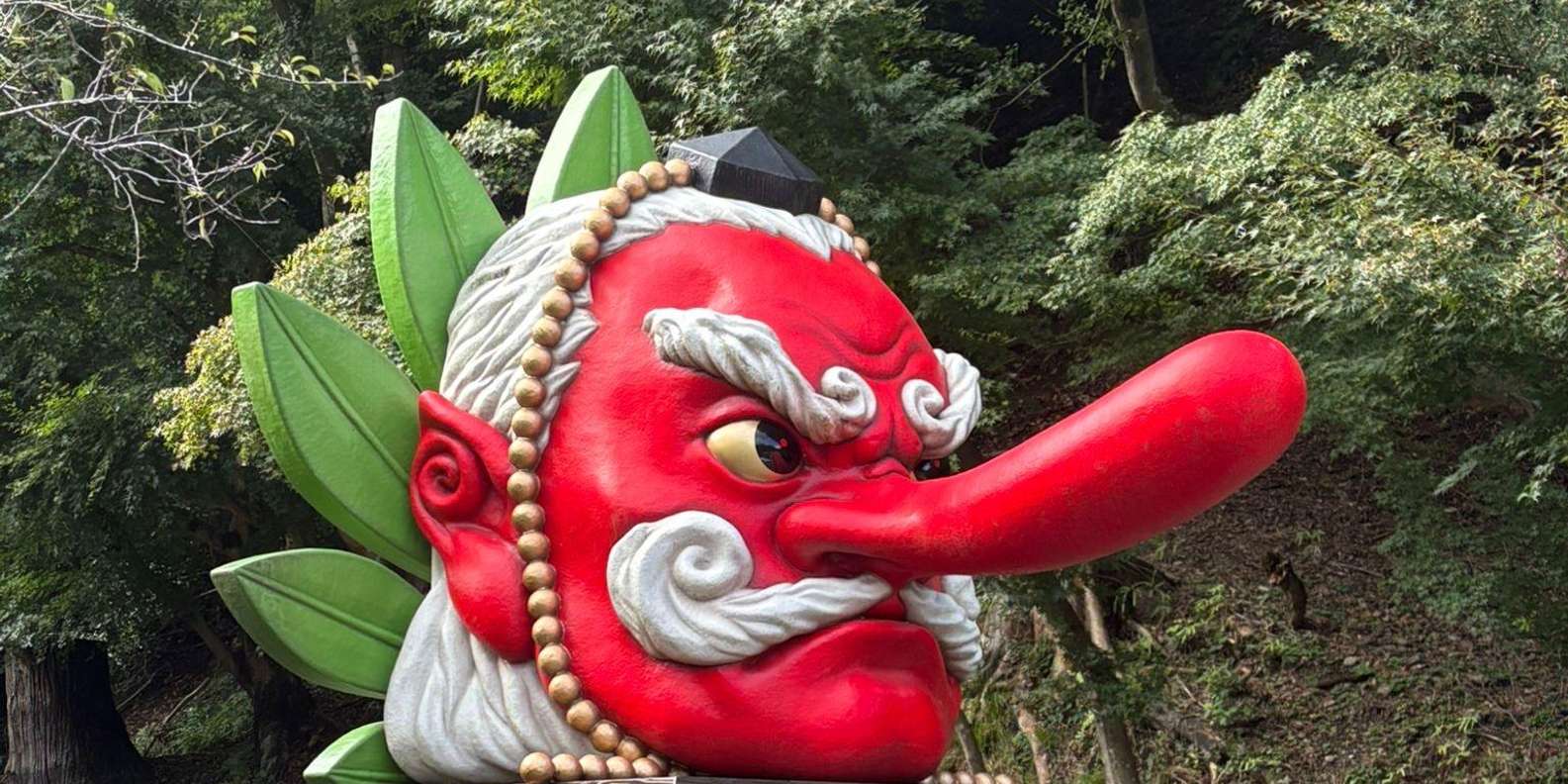
"This tour was incredible! Nature was on our side with some light snow on a sunny day. We even saw two deer on our way up. Our guide Philippe was great and so knowledgeable. We learned so much, and Philippe took us to some lesser known spots on the mountain, which made for an unforgettable tour. Would highly recommend!"
Read all 59 verified reviews
See All ReviewsReady to Book Your Kyoto Experience?
Pick the right category for your trip — tea ceremony, geisha experience, sumo show, Fushimi Inari, day trip, or private tour. 119 tours compared with free cancellation. Starting from $78 per person.
Browse All Kyoto ToursFAQ — Hot Springs (Onsen) in Kyoto
Where to actually find onsen near Kyoto, the tattoo rules, private and day-use options, and bathing etiquette.
Kyoto city isn't a hot-spring resort town the way Hakone or Beppu are — it has very few natural onsen within the centre. The genuine hot springs are on the city's edges and nearby: Kurama Onsen in the northern mountains, the Ohara area, and onsen ryokan around Arashiyama. For a full onsen-town experience, travellers day-trip to places like Kinosaki Onsen. So 'hot springs in Kyoto' usually means a short trip out from the centre, not a bath downtown.
Often not at traditional onsen — many Japanese hot springs still refuse entry to guests with visible tattoos, a rule rooted in their historic association with organized crime. There are three reliable workarounds: choose a tattoo-friendly facility, rent a private or family bath (kashikiri-buro) so you bathe in your own group, or cover a small tattoo with a waterproof patch where allowed. If you have tattoos, booking a private bath is the surest way to soak stress-free.
Yes. Many onsen — including Kurama Onsen and a lot of ryokan — offer day-use (higaeri) admission, so you don't need to book a night's stay just to bathe. Day-use is the easiest option for travellers based in central Kyoto: head out, soak for a few hours, and come back. The Kurama hike-and-hot-springs experience above is exactly this kind of day trip.
Kurama Onsen is a natural hot spring up in the forested mountains north of Kyoto, reached on the scenic Eizan Electric Railway to Kurama. It's prized for its open-air bath (rotenburo) looking out over the cedar slopes — a completely different world from the city below. The guided hike-and-hot-springs trip pairs a walk through Kurama and Kibune with a soak, which is why it's the featured experience here.
The core rules are simple and important: wash and rinse your body thoroughly at the shower stations before getting in (the communal bath is for soaking, not cleaning); bathe completely naked — no swimsuits; keep your small towel out of the water (most people rest it on their head or the side); and tie up long hair so it doesn't touch the water. Baths are almost always separated by sex.
An onsen uses naturally heated geothermal hot-spring water, with a mineral content that varies by source — that's the 'real' hot-spring experience. A sento is a public bathhouse that uses heated ordinary tap water. Both follow the same etiquette and both are relaxing; if you specifically want a natural hot spring, look for the word 'onsen' and check that the water is genuinely from a spring.
Yes — many onsen and ryokan offer kashikiri-buro, a private bath you reserve for your own group for a set time. It's the go-to choice for couples, families with young children, anyone shy about communal bathing, and travellers with tattoos. Availability and price vary by facility, so it's worth arranging in advance rather than on the day.
Onsen are a year-round pleasure, but autumn and winter are especially good — soaking in an open-air bath surrounded by autumn colour or falling snow is the classic Japanese onsen experience, and Kurama's mountain setting is beautiful in both seasons. Summer works too; many people pair a morning of sightseeing with an afternoon soak to recover from the heat and walking.
Kinosaki Onsen, in northern Hyogo, is the classic choice — a hot-spring town reachable from Kyoto in roughly 2 to 2.5 hours by limited-express train, where guests stroll between seven public bathhouses (soto-yu) in yukata and wooden geta. It's the full onsen-town atmosphere if a single bath near the city isn't enough. Closer to home, Kurama and Ohara give you a mountain soak without the longer journey.
Yes — the Kurama hike-and-hot-springs trip and the Arashiyama onsen day tour featured here are run in English, including the guiding and the practical instructions for the bath. The bathing itself is wordless once you're in, but you'll have an English-speaking guide to handle logistics, etiquette, and any tattoo or private-bath questions beforehand.
Still have questions? Email us at info@thingstobookinkyoto.com