"We got dressed up, took pictures and had the tea ceremony explained. A bit crowded but very nice actually. Highly recommended"
Kyoto · Gion & Kiyomizu · Kimono Included · English-Friendly
Kimono Tea Ceremony in Kyoto — Dress in Silk and Whisk Your Own Matcha
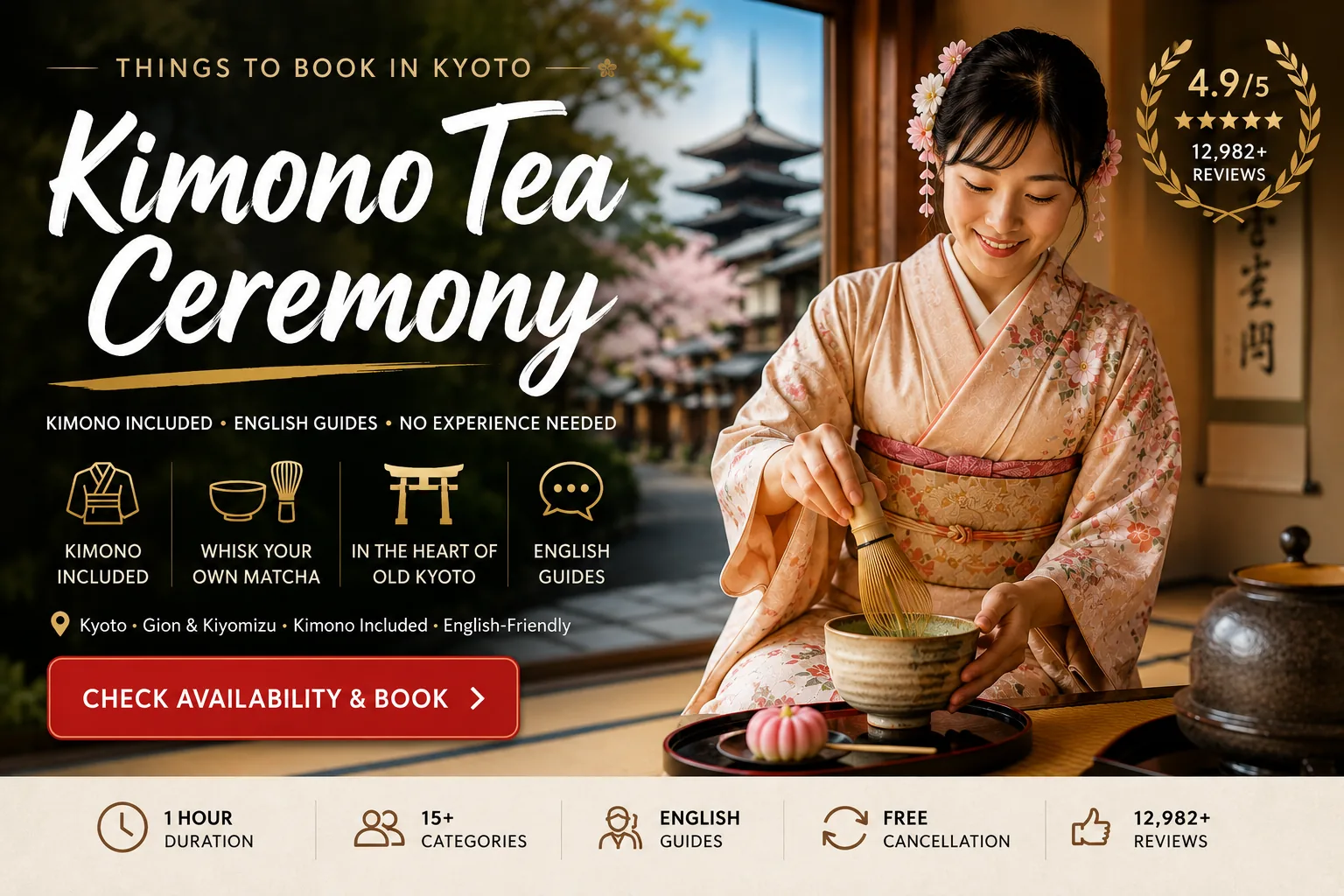
The classic Kyoto pairing: dress in a kimono, then sit for a traditional matcha ceremony in a Gion or Kiyomizu tea house. Choose your silk, get dressed with help, whisk your own bowl of matcha, and step out into the old lanes in full kimono — all guided in English, no experience needed.
Likely to sell out
From
$48
per person
Free cancellation
- 4.9 / 5 1826+ Reviews
- 1.5 - 2 hours Duration
- 15 Categories All Kyoto Experiences
- English Guides Local Experts
- Free Cancellation
The Experience
Why Book This Kimono Tea Ceremony
Kimono included and fitted for you, an English-speaking host, matcha you whisk yourself, and a tea-house setting in the heart of old Kyoto.
Highlights
- Immerse yourself in Japanese culture without the fear of faux pas
- Small-group experience (maximum 10 guests)
- Enjoy wearing a kimono—an expert helps you dress
- Leave with a new skill in matcha preparation
What's Included
- Snacks (Wagashi & matcha)
- Kimono Set Rental
- Tea Ceremony Utensils Rental
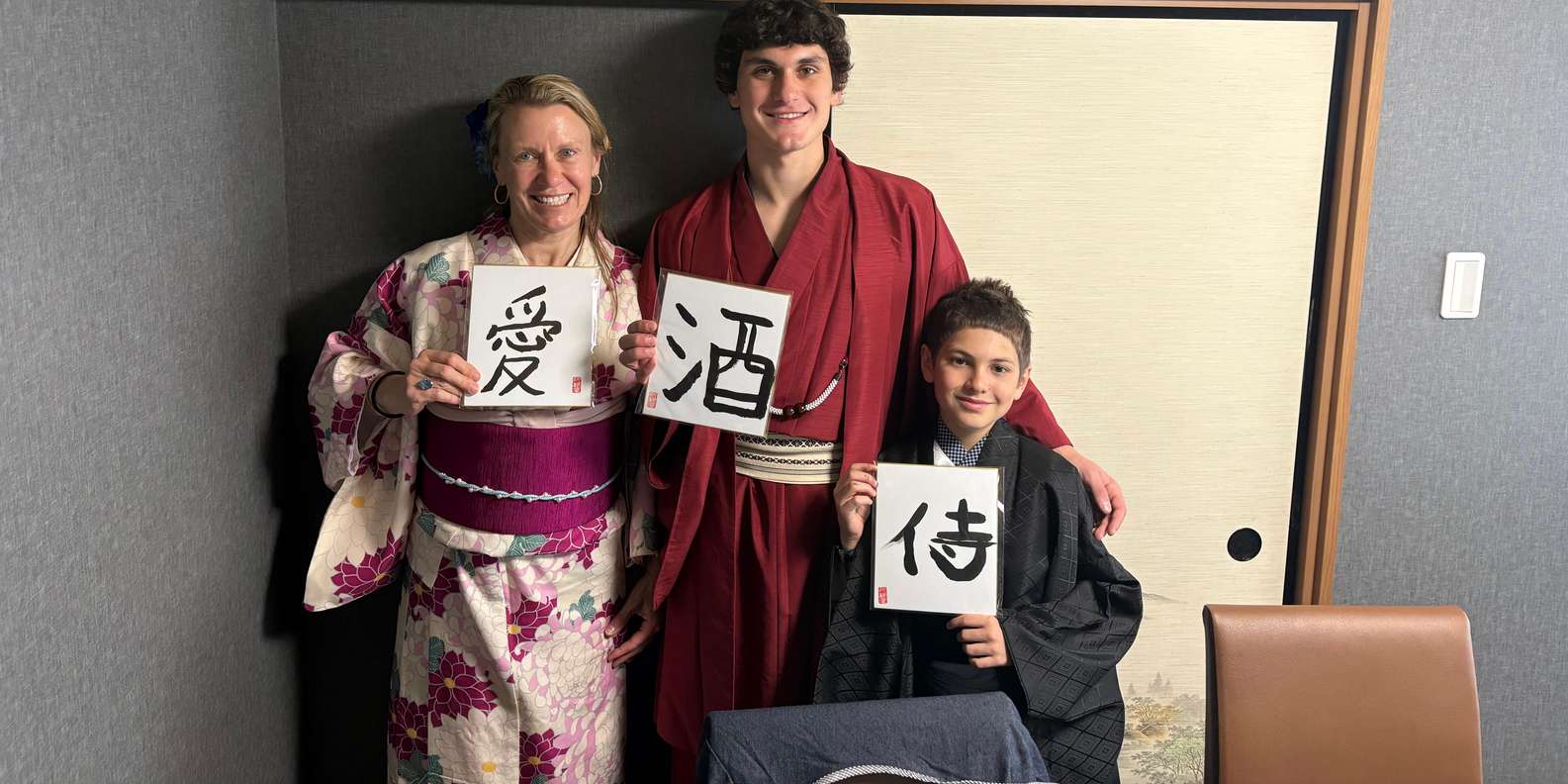
- Japanese Calligraphy Set Rental (Only included when selecting the Japanese Calligraphy Experience option)
- Hairstyling (simple style)
- All Fees and Taxes
- Licensed Guide
How the Kimono Tea Ceremony Works
Four steps from choosing your kimono to your first bowl of matcha.
Choose & Wear Your Kimono
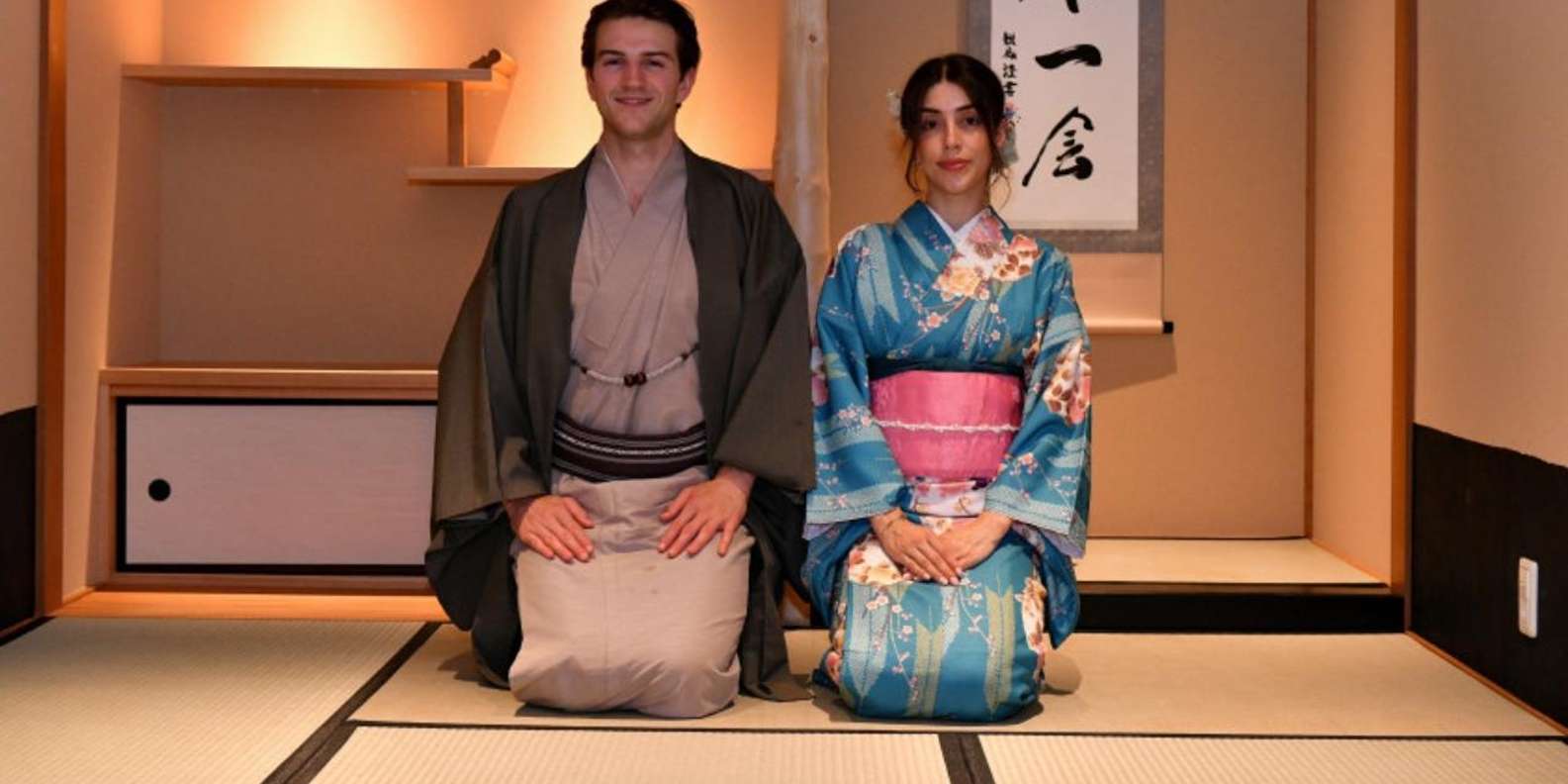
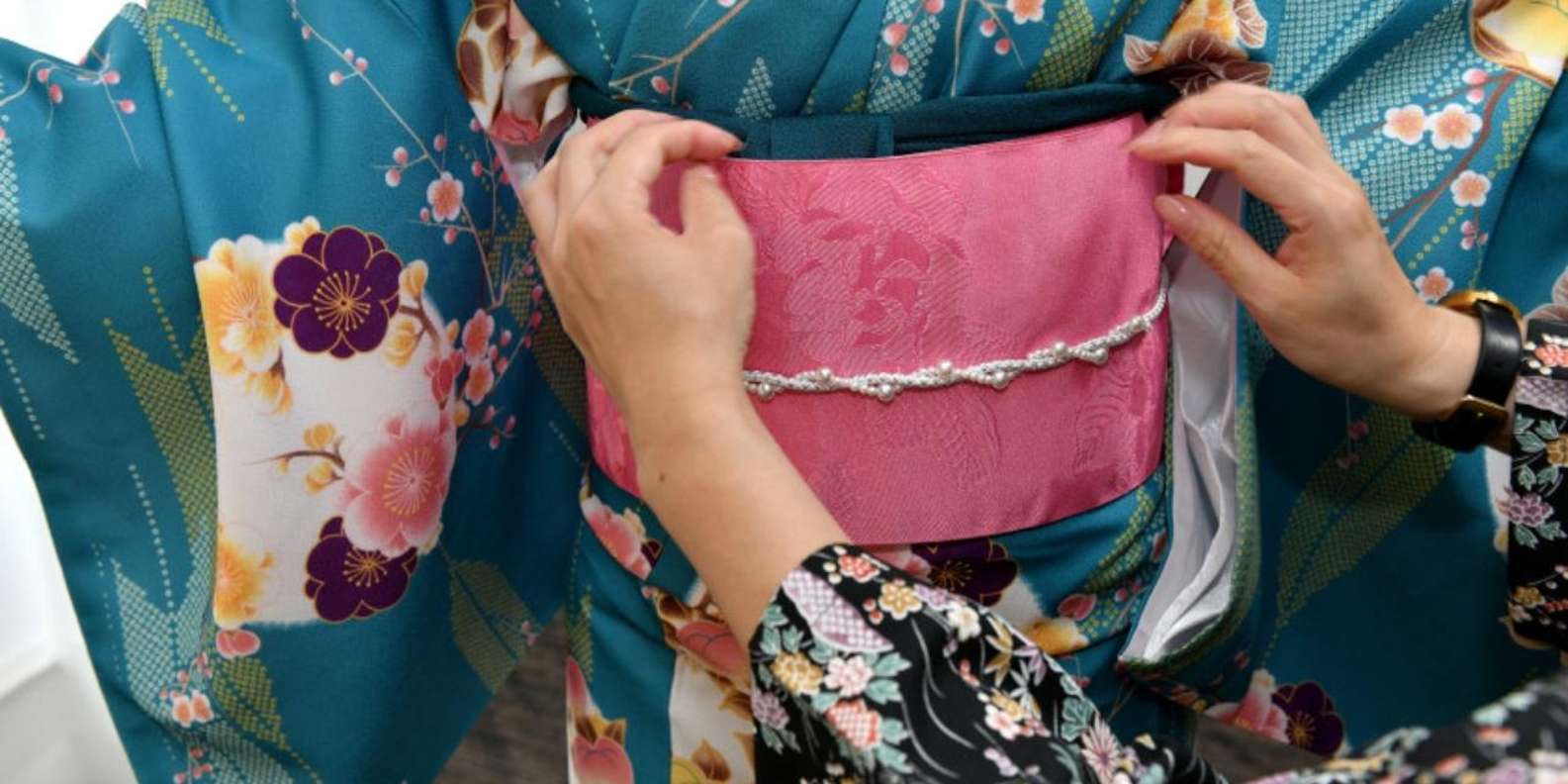
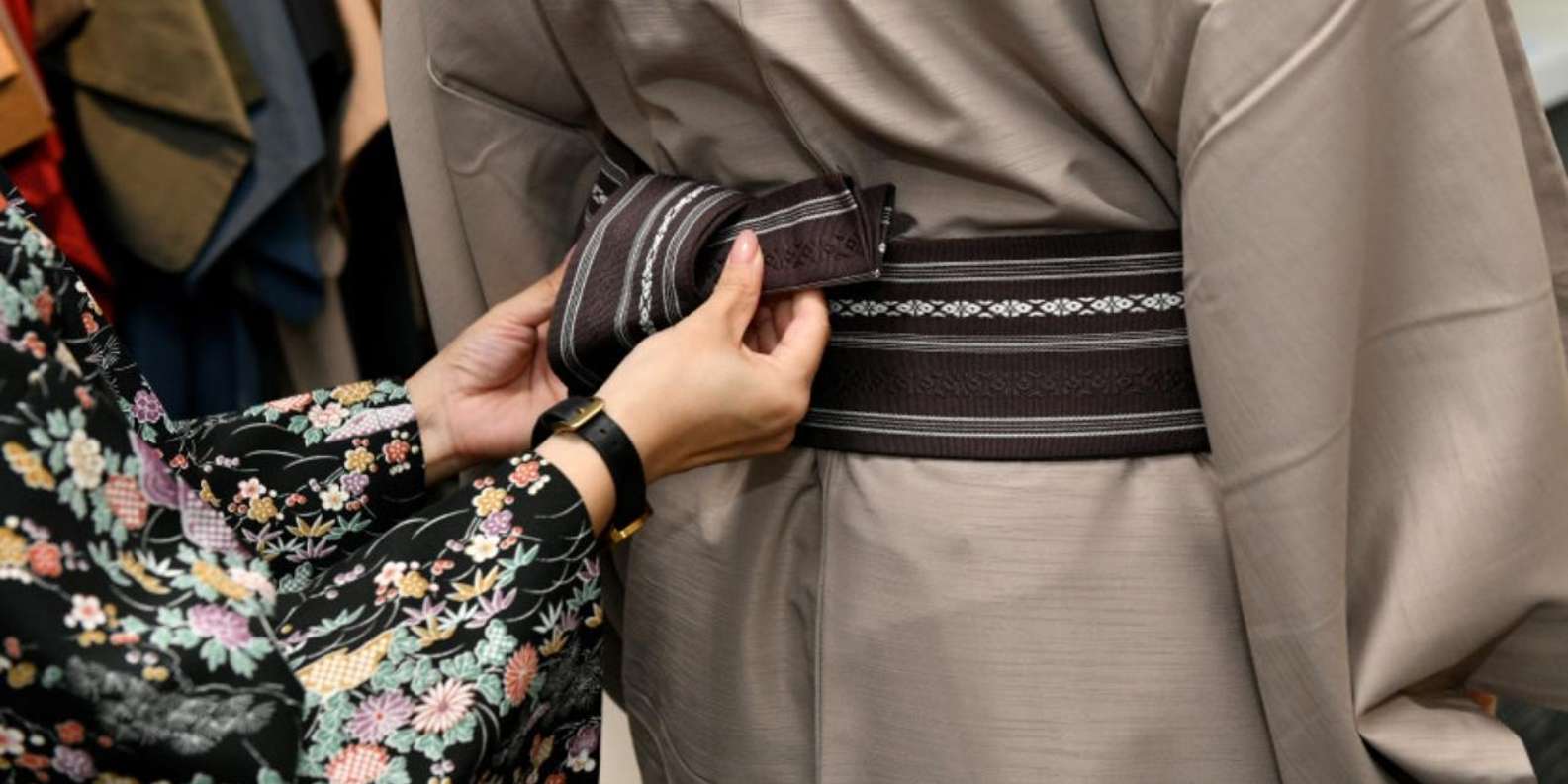
Pick a kimono from the selection and get dressed with help from the staff — obi, collar, and all. Most experiences include the kimono and dressing in the price; you wear it for the whole ceremony (and often out into the streets afterwards).
Enter the Tea Room
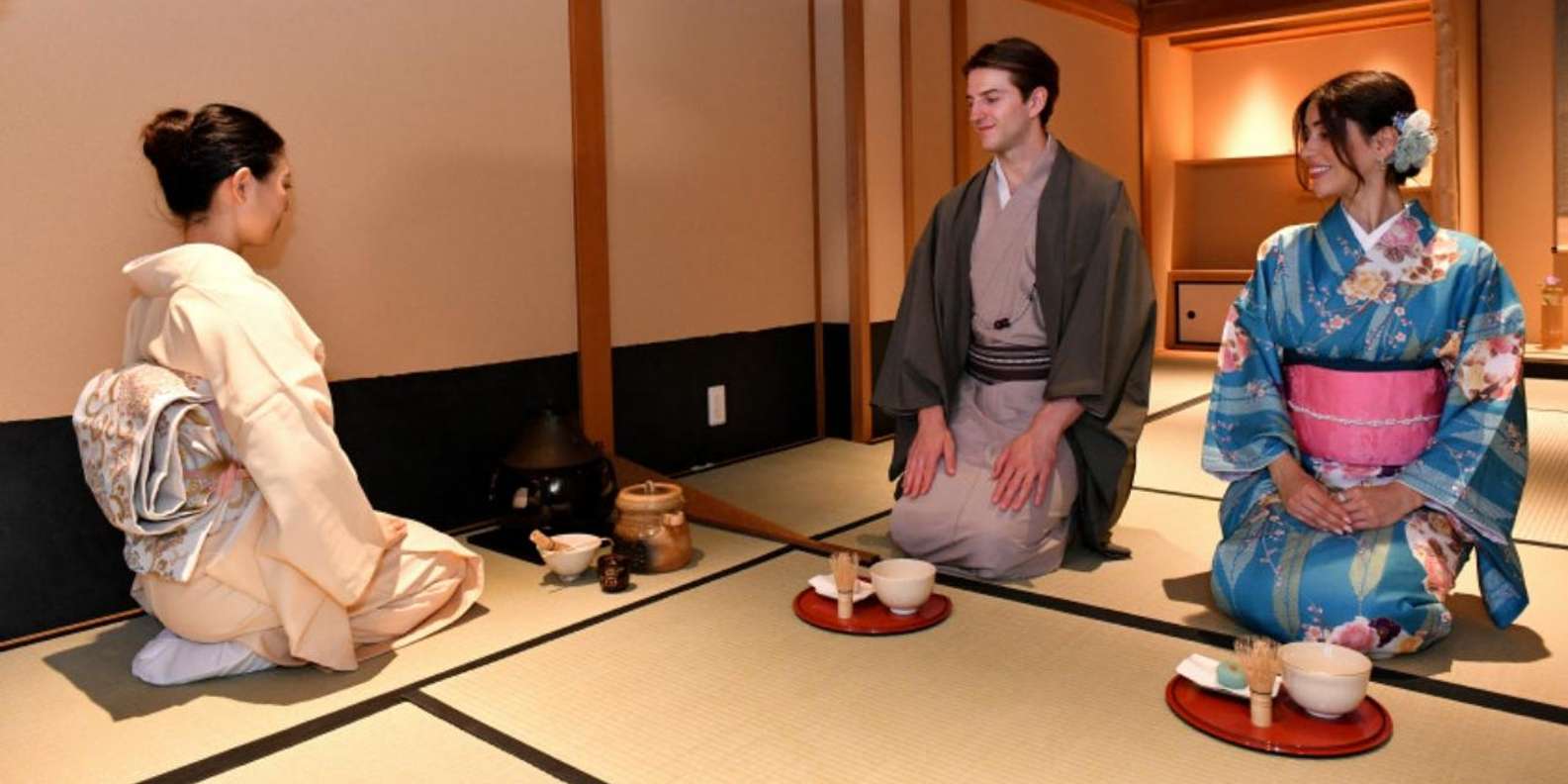
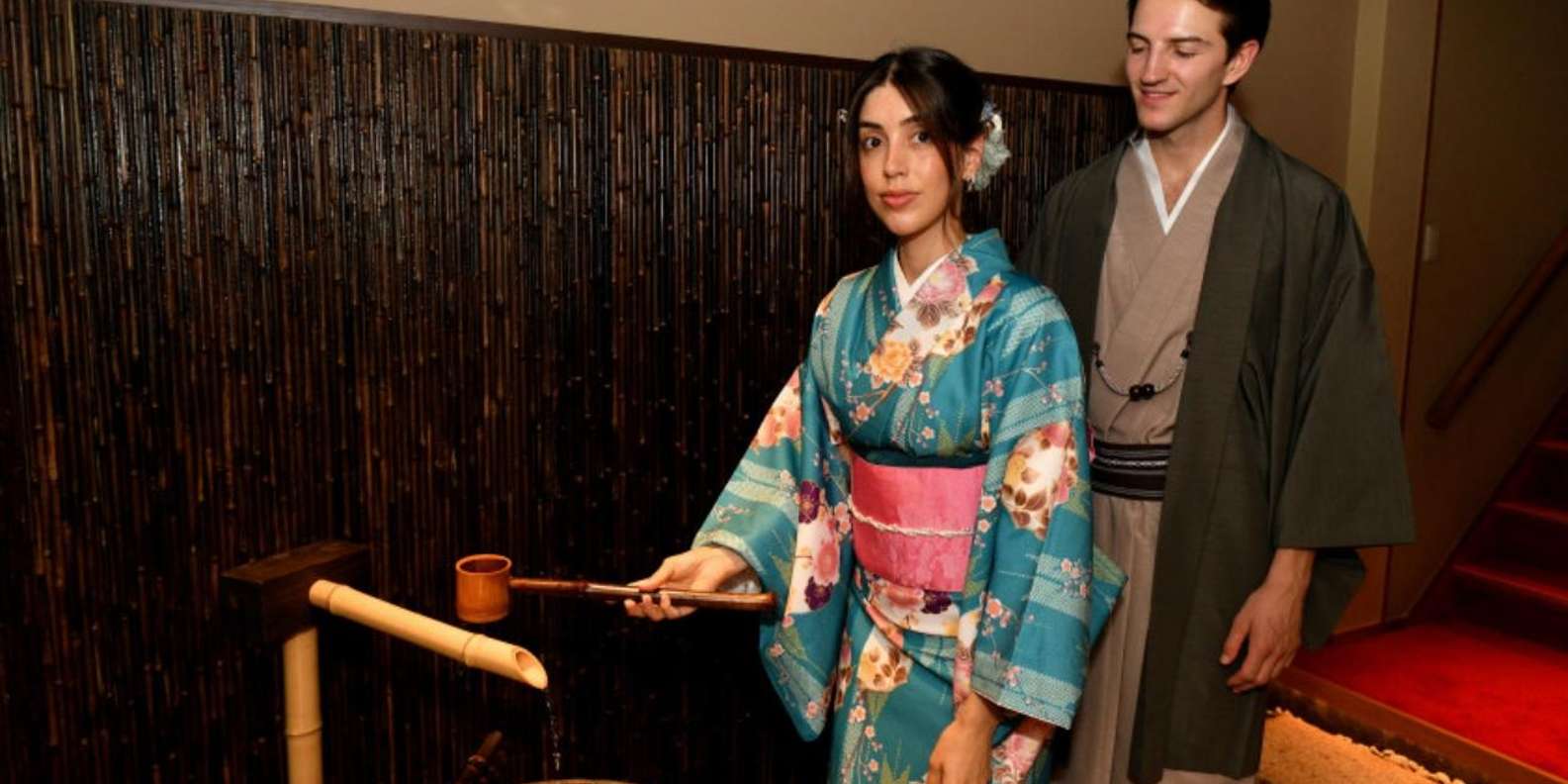
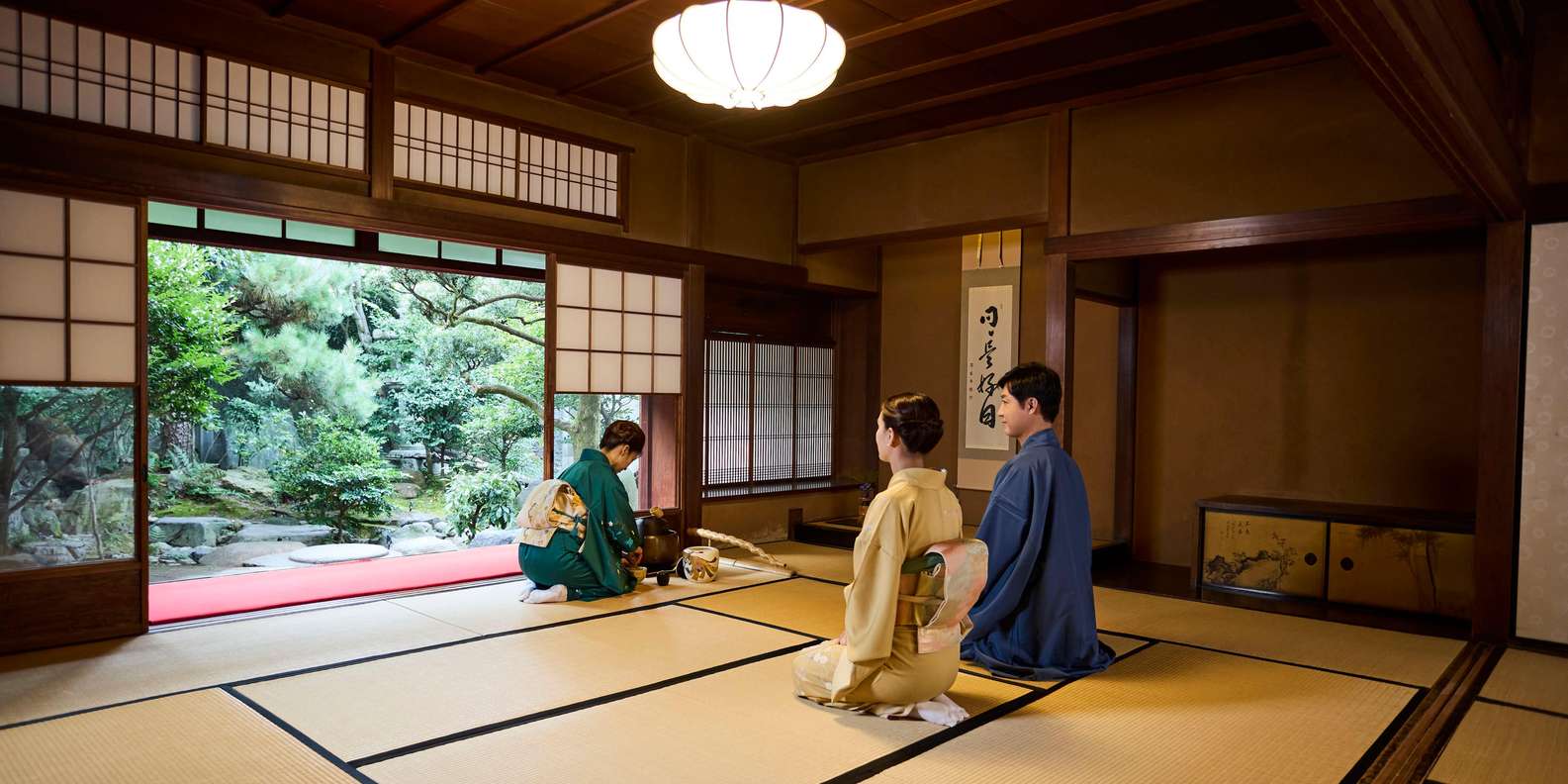
Step onto the tatami in a Gion or Kiyomizu tea house. Your English-speaking host introduces the four principles of chadō — harmony, respect, purity, and tranquillity — and why, in the way of tea, every movement is deliberate.
Whisk Your Own Matcha
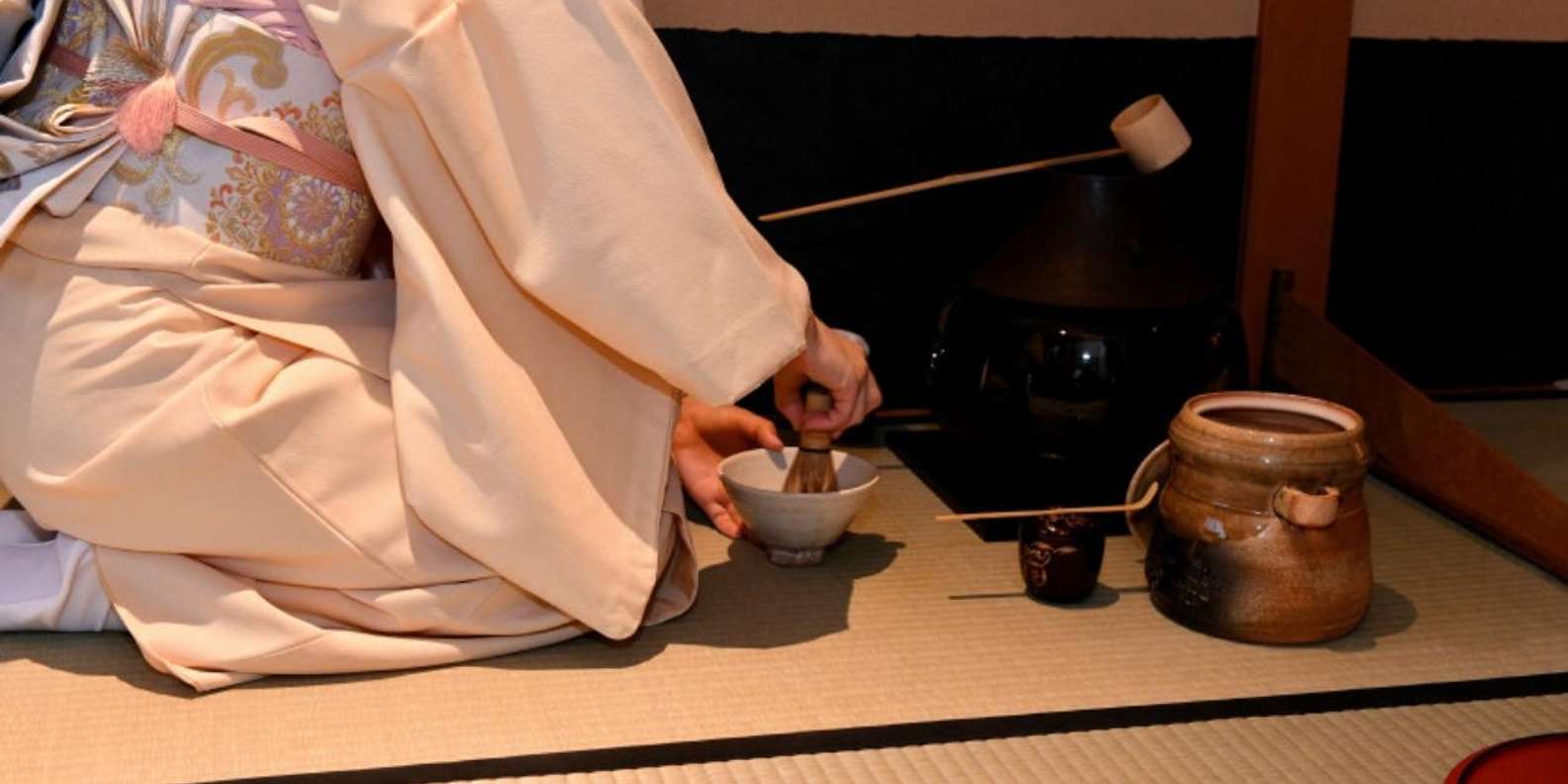
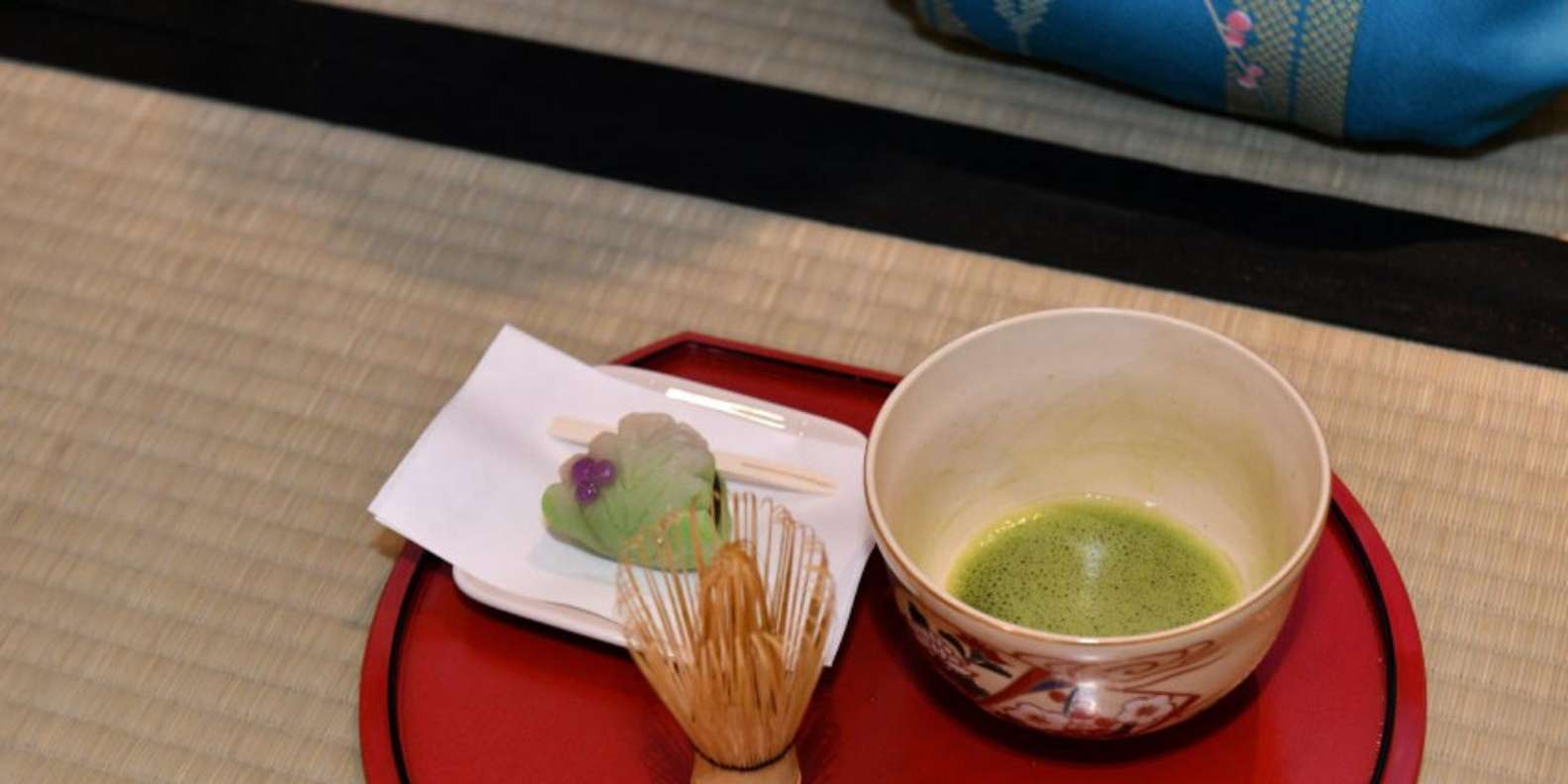
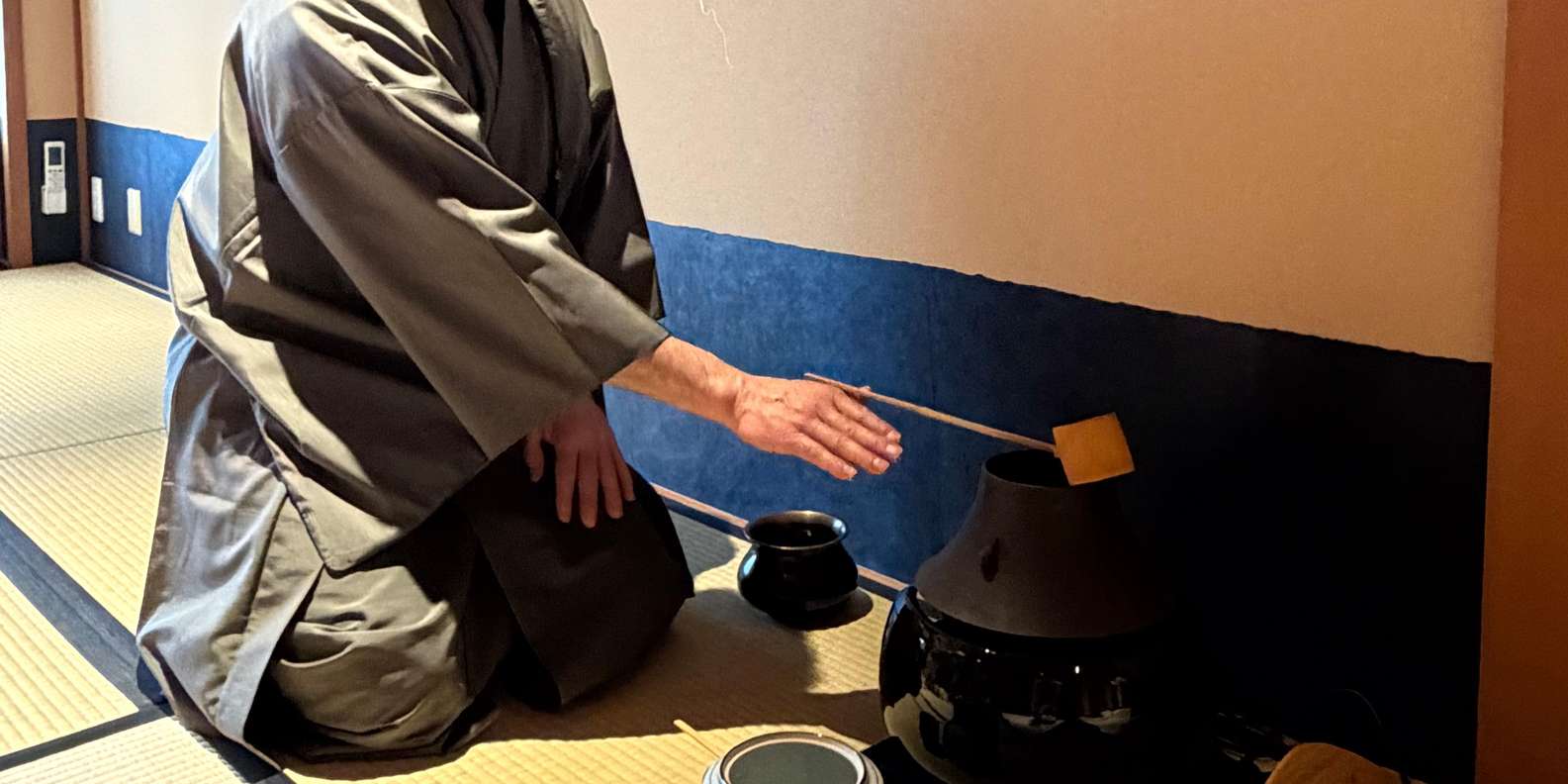
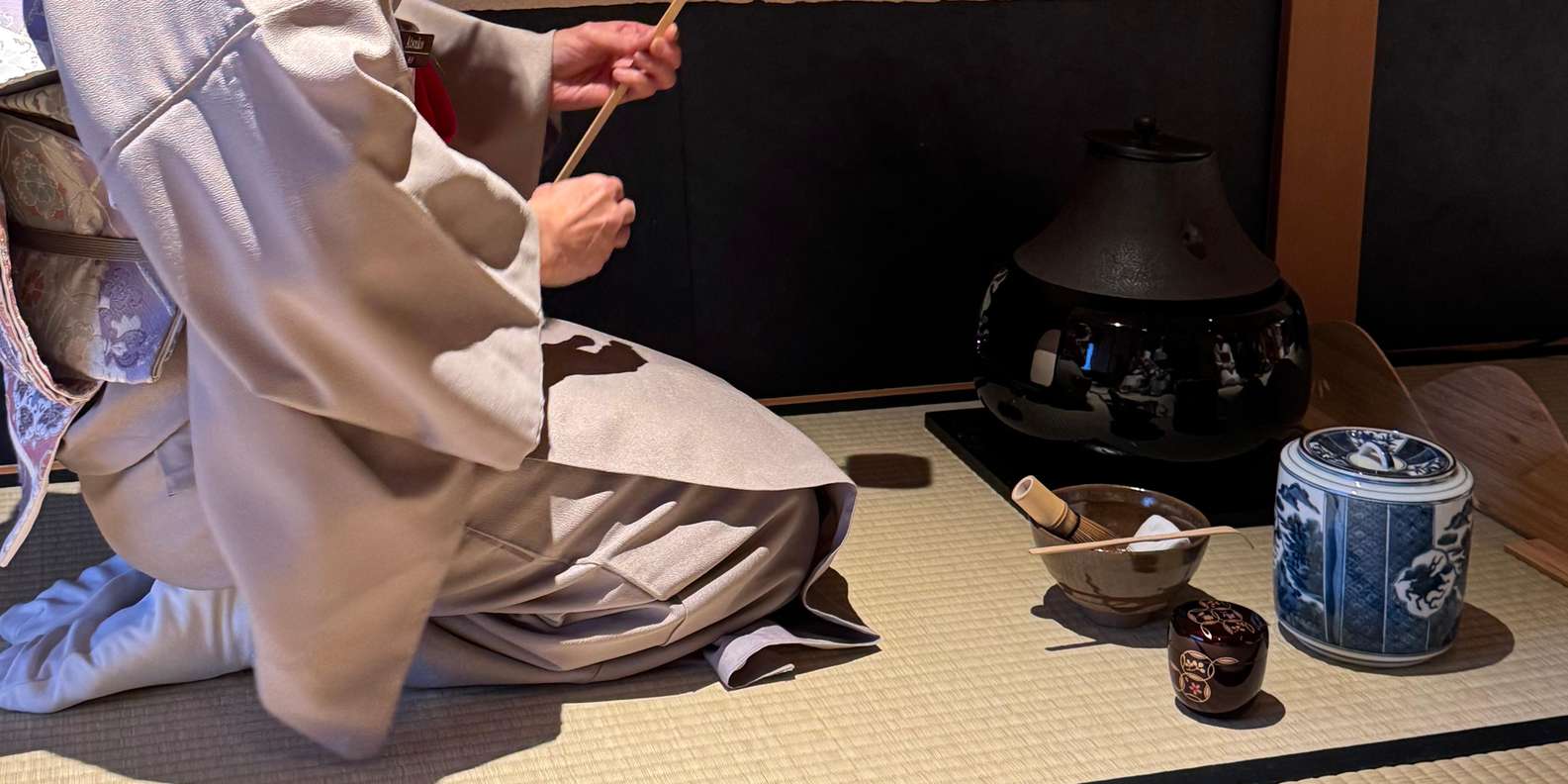
Using a bamboo chasen whisk, prepare your own bowl of matcha — sifting the powder, adding hot water, and whisking in a brisk zig-zag until the surface turns jade-green and frothy. Your host corrects your form as you go.
Matcha, Sweets & Photos
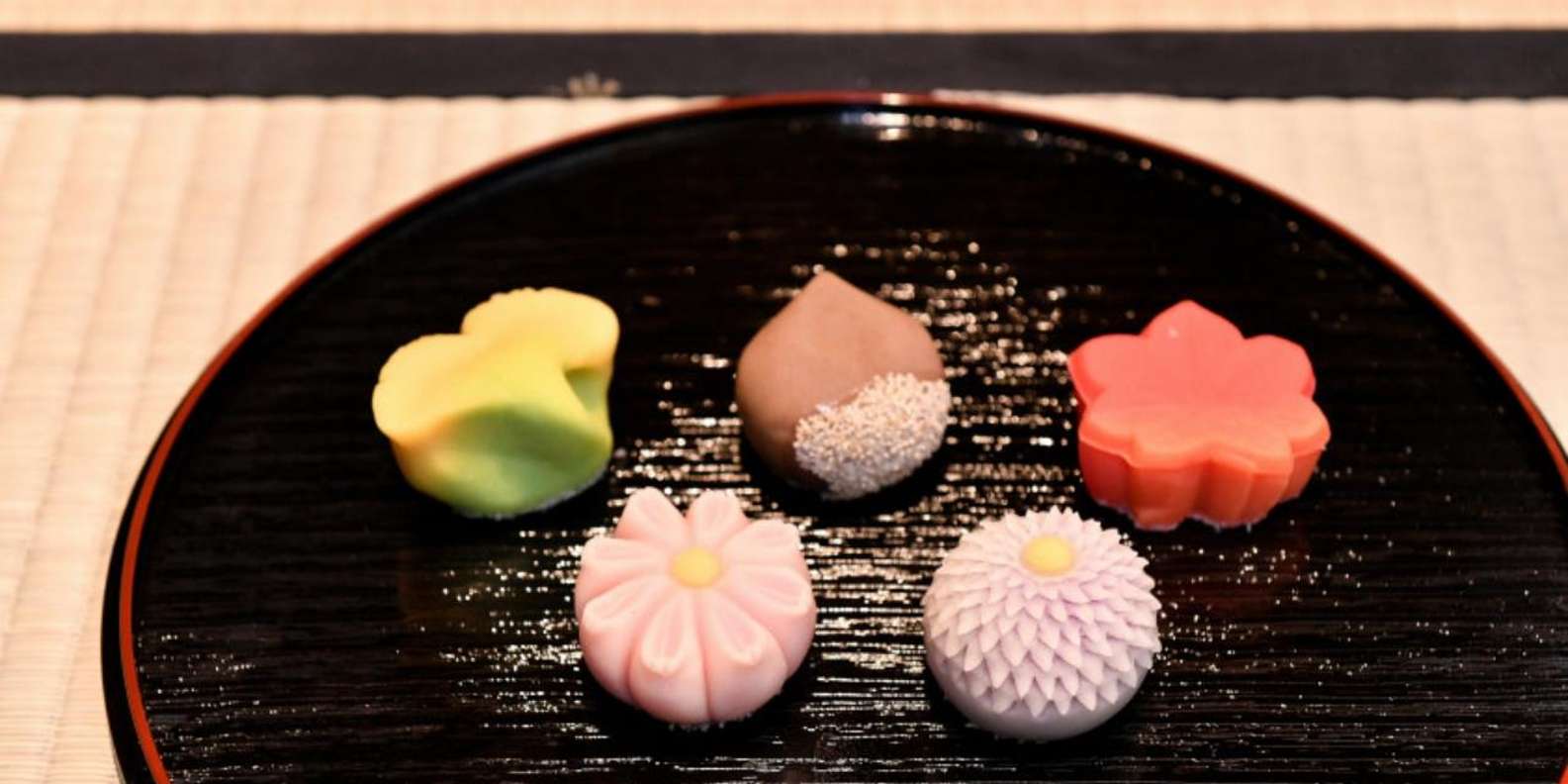
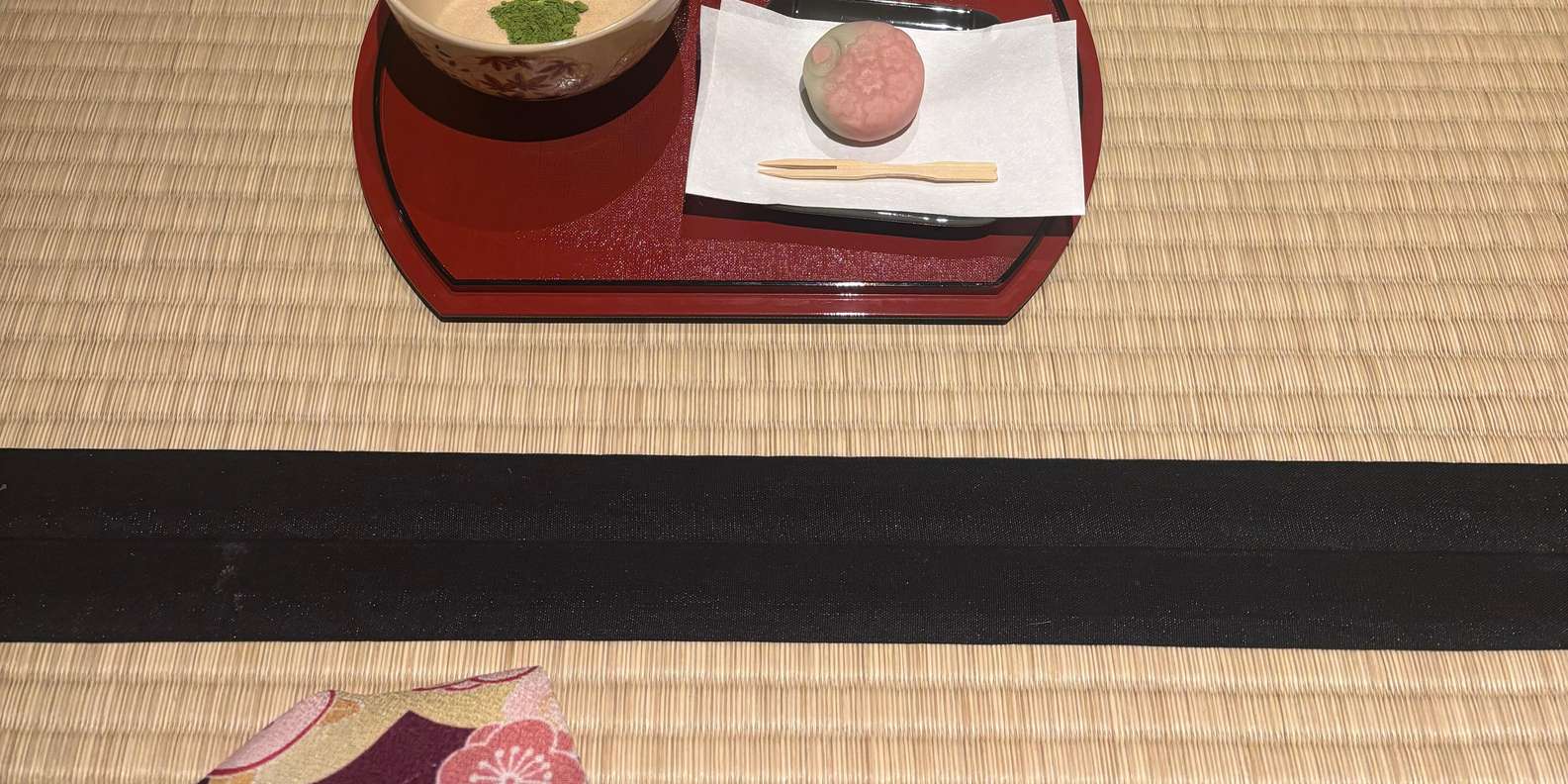
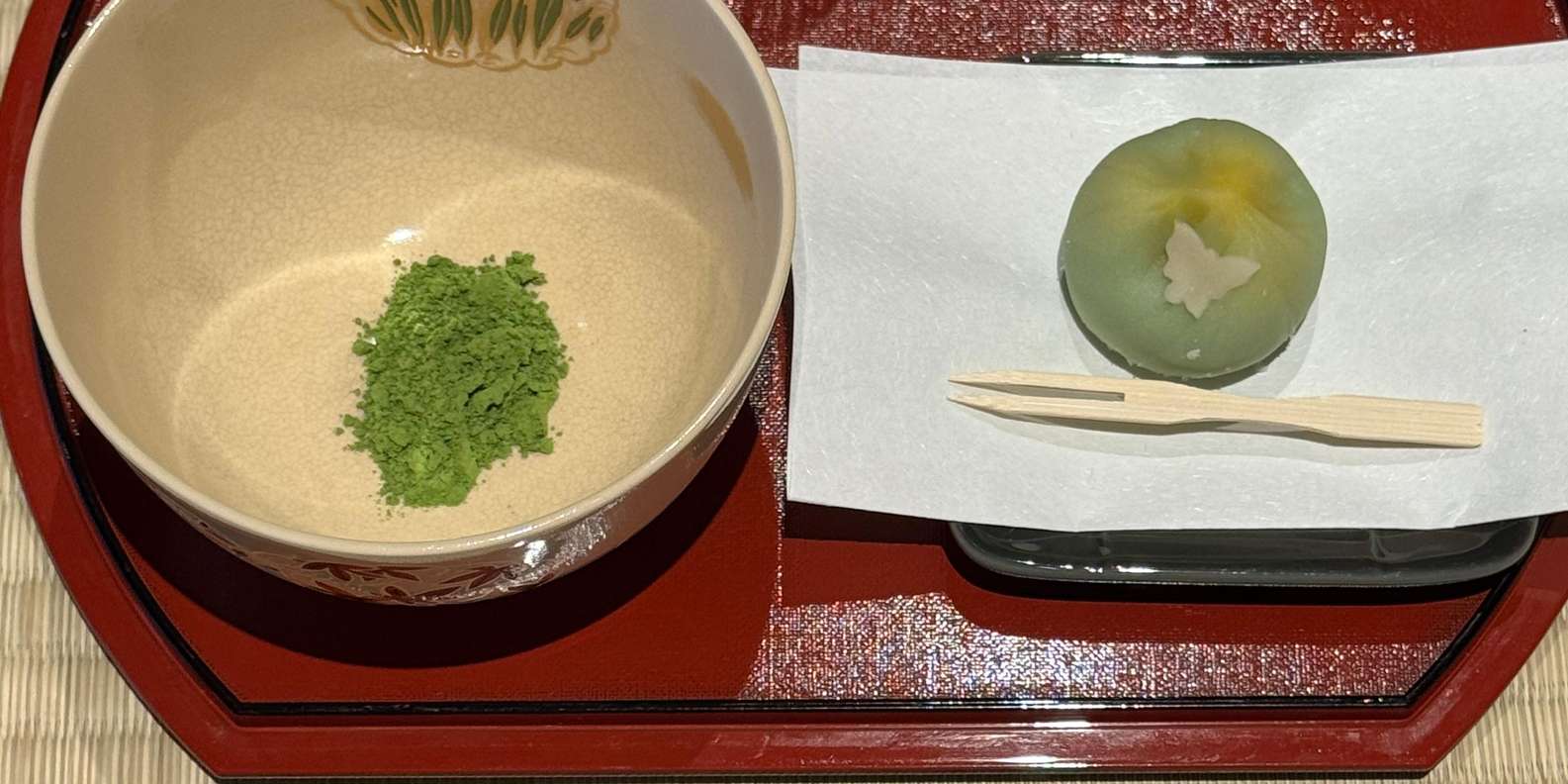
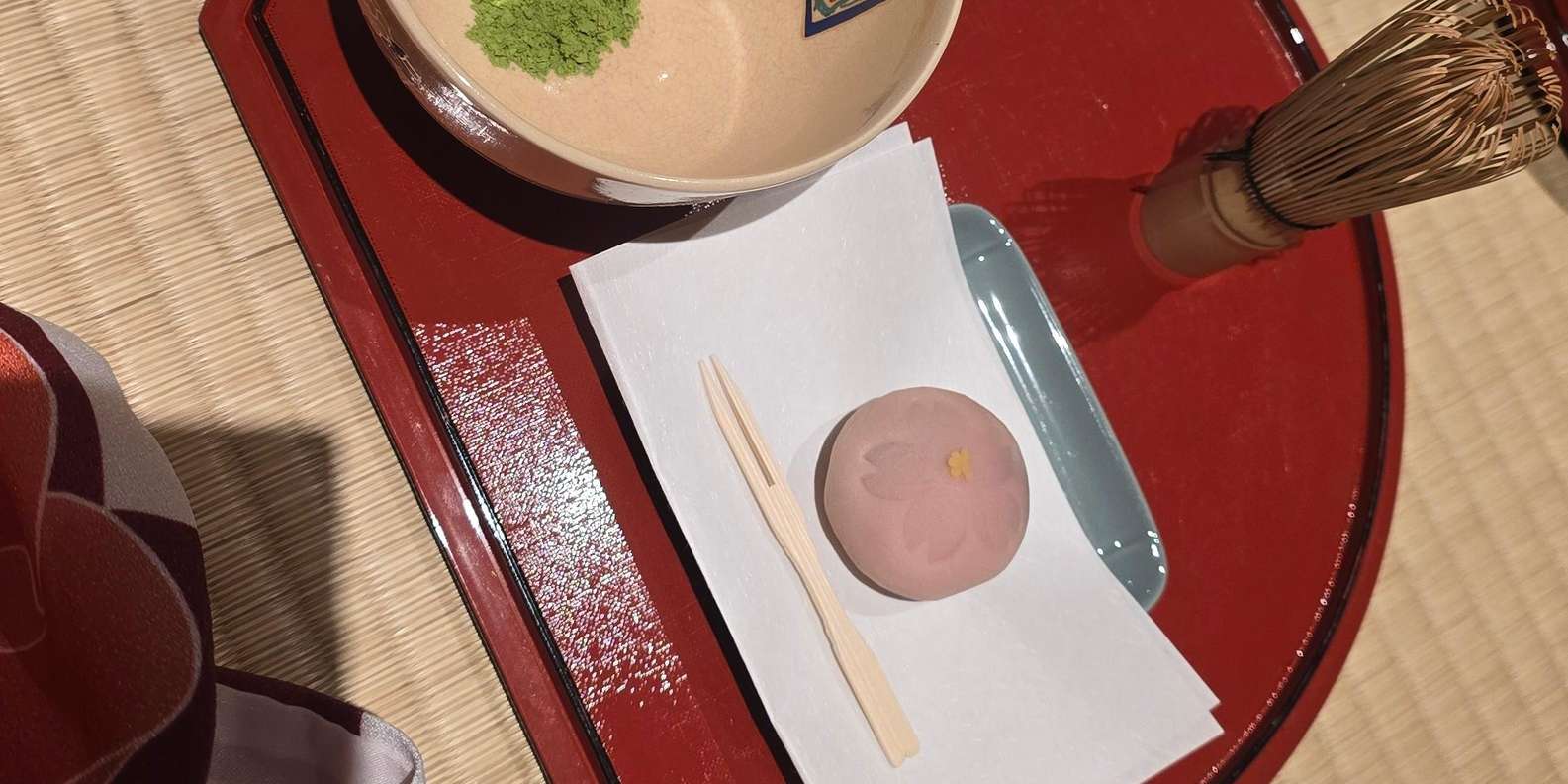
Drink your matcha with a seasonal wagashi sweet, then — still in kimono — step outside for photos in the old lanes. Some experiences include a professional photoshoot. Most ceremonies run 1 to 2 hours.
Photo Gallery
Kimono, Matcha & the Tea Room
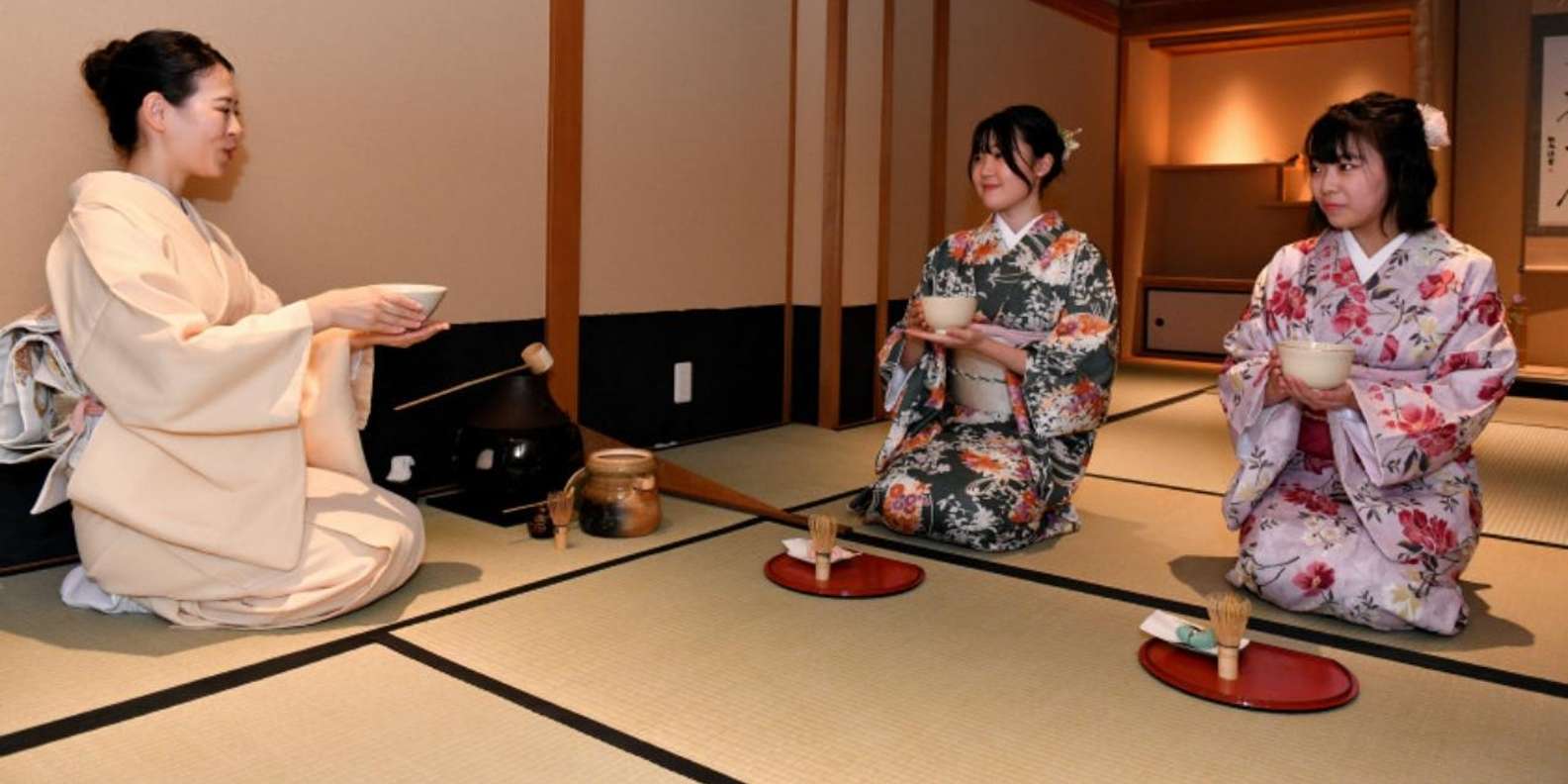
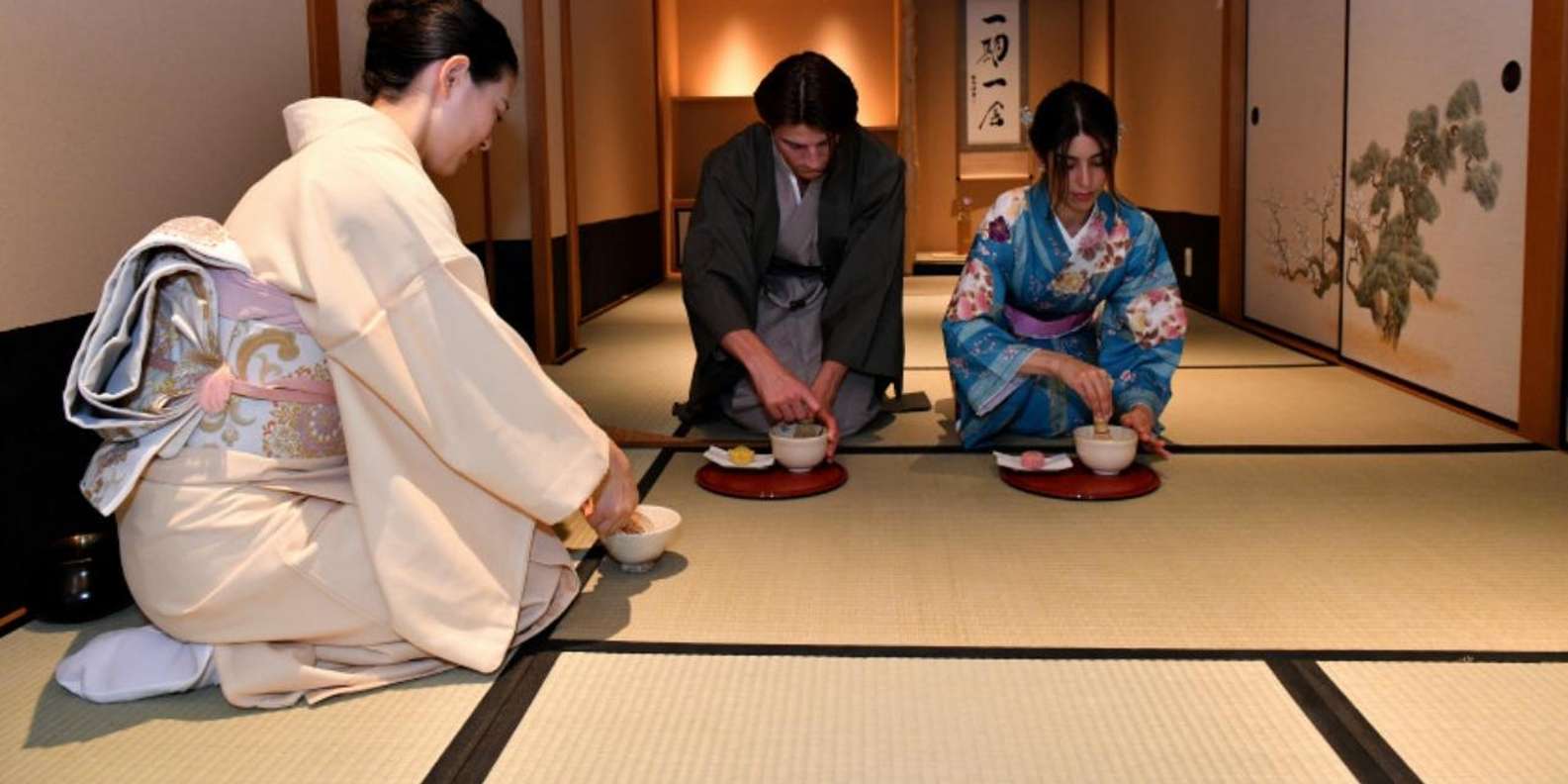
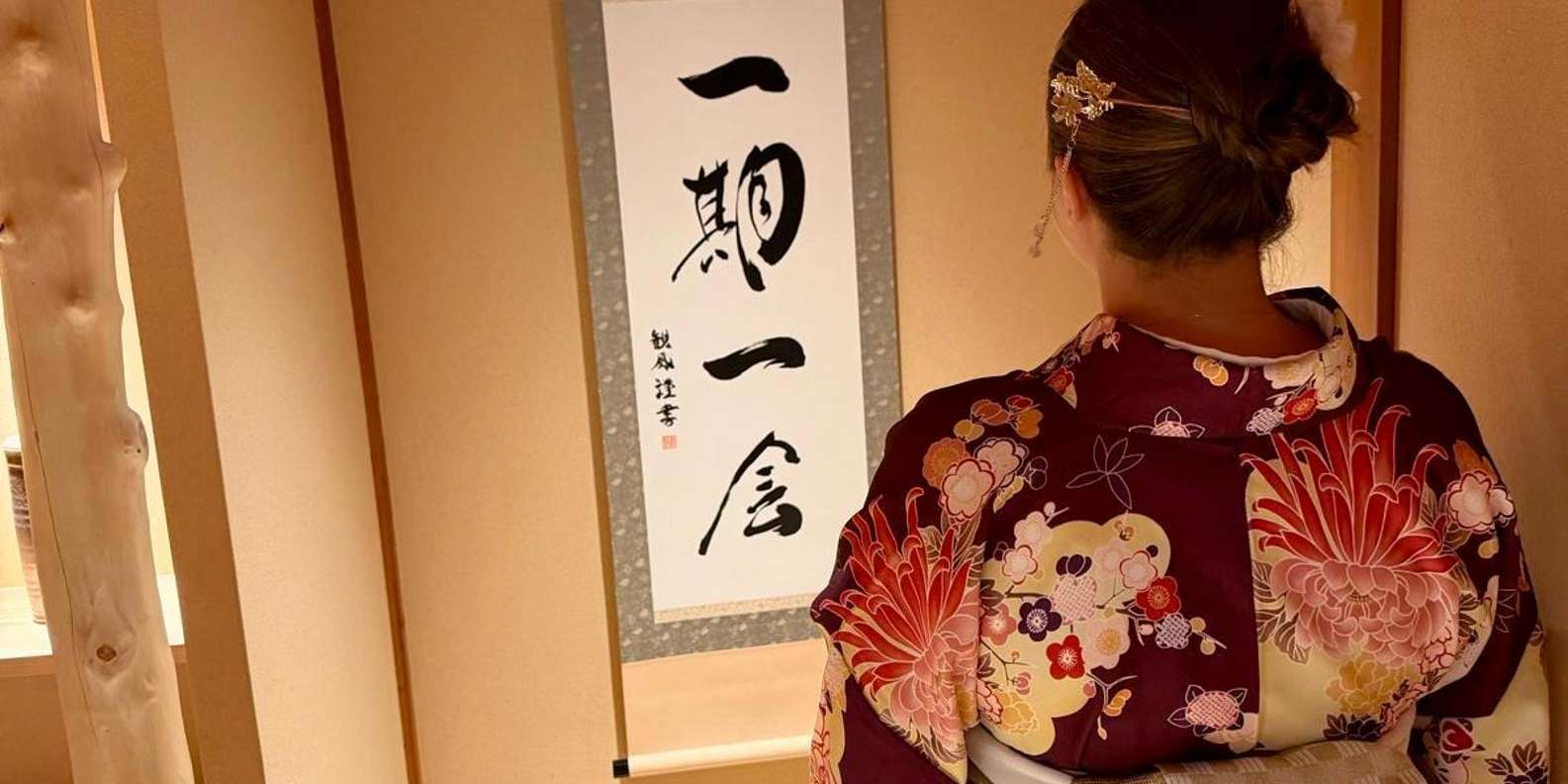
Silk kimono, tatami mats, calligraphy scrolls, chawan tea bowls, and the quiet choreography of matcha — captured by our guests.
Book Your Experience
Check Availability & Prices
Select your preferred date and time. Instant confirmation — free cancellation up to 24 hours before departure.
Kyoto Kimono Tea Ceremonies Compared — Gion vs. Karasuma Shijo vs. Photoshoot
Three ways to do tea in kimono. Here's which one fits your trip.
| Feature | TOP RATED Orizuruya Gion Ceremony | Karasuma Shijo Kimono Ceremony | Kimono Ceremony + Photoshoot |
|---|---|---|---|
| Starting Price | From $48/per person | From $52 (Sep 2026) | From $124 |
| Duration | 1.5–2 hours | 1.5 hours | 1.5 hours |
| Rating | 4.89/5 (1,952 reviews, Oct 2026) | 4.91/5 (713 reviews, Oct 2026) | 4.78/5 (117 reviews) |
| Where | Gion (Orizuruya machiya) | Karasuma Shijo, central Kyoto | Central Kyoto / Gion |
| Kimono Included? | Yes — premium kimono | Yes — dress in kimono for the ceremony | Yes — kimono + full dressing |
| What You Do | An authentic ceremony in a historic Gion townhouse, in kimono | Dress in kimono, then a tea ceremony with matcha and a Japanese sweet | A ceremony in kimono plus a professional photoshoot in the lanes |
| Photos | Your own snapshots welcome | Your own snapshots welcome | Professional photoshoot included |
| Best For | The authentic Gion machiya setting | A central location with very high ratings | Couples & photo-seekers who want professional shots |
| English-Friendly? | Yes | Yes | Yes |
| Check Availability | View Karasuma Shijo Ceremony | View Photoshoot Option |
More Kimono & Gion Tea Ceremonies
Three more ways to do tea in kimono — a budget Gion option from $25 (Sep 2026), a kimono ceremony with a professional photoshoot, and a highly rated matcha-and-sweets session at Karasuma Shijo.
 GION · BUDGET
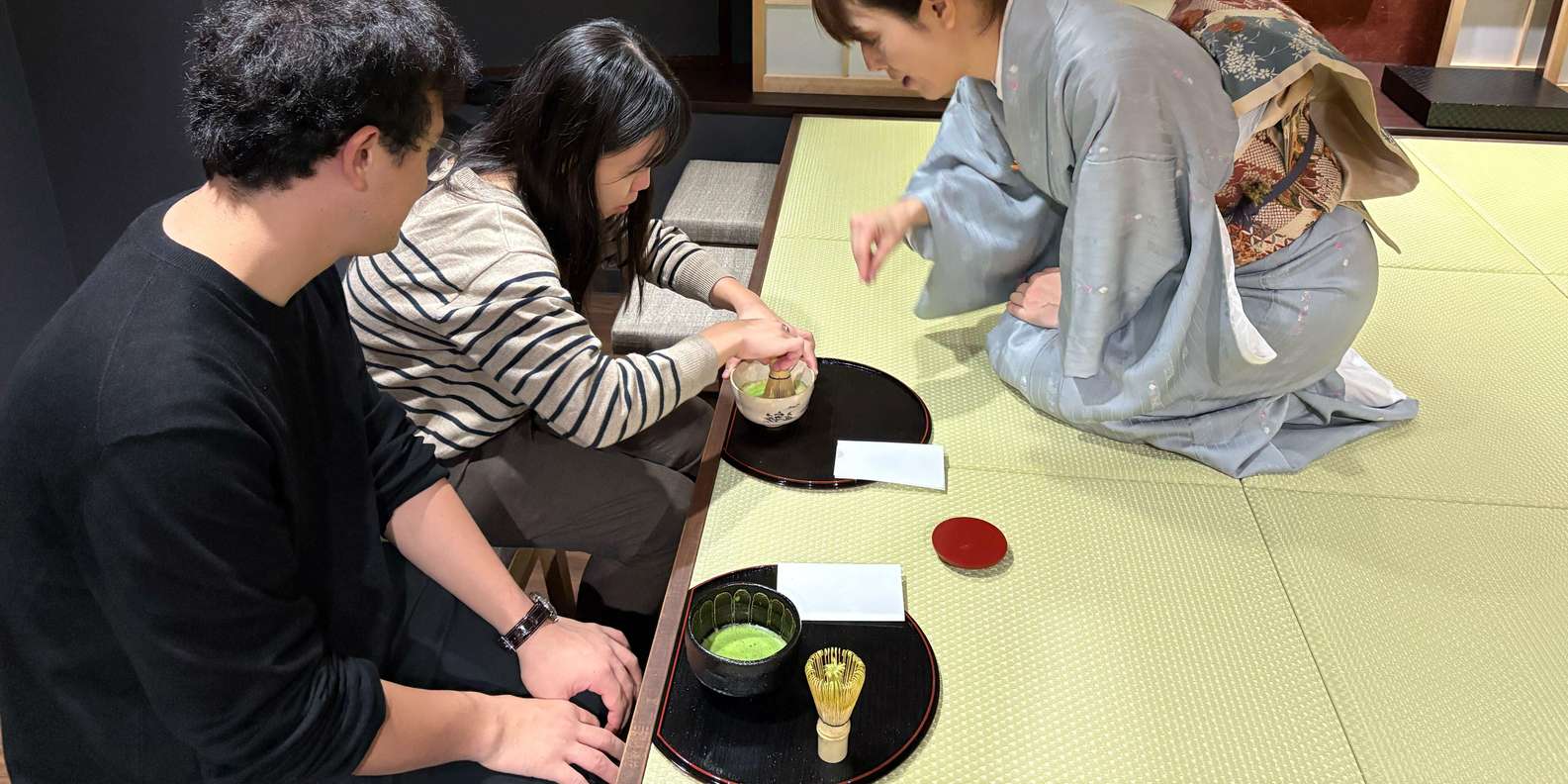
Kyoto: Traditional Tea Ceremony with Matcha & Sweets in Gion
Taste Kyoto’s Gion through a hands-on tea ceremony. Watch, learn, whisk special matcha, taste local sweets, and discover the spirit of omotenashi in a serene setting that blends tradition with warmth.
 KIMONO + PHOTOS
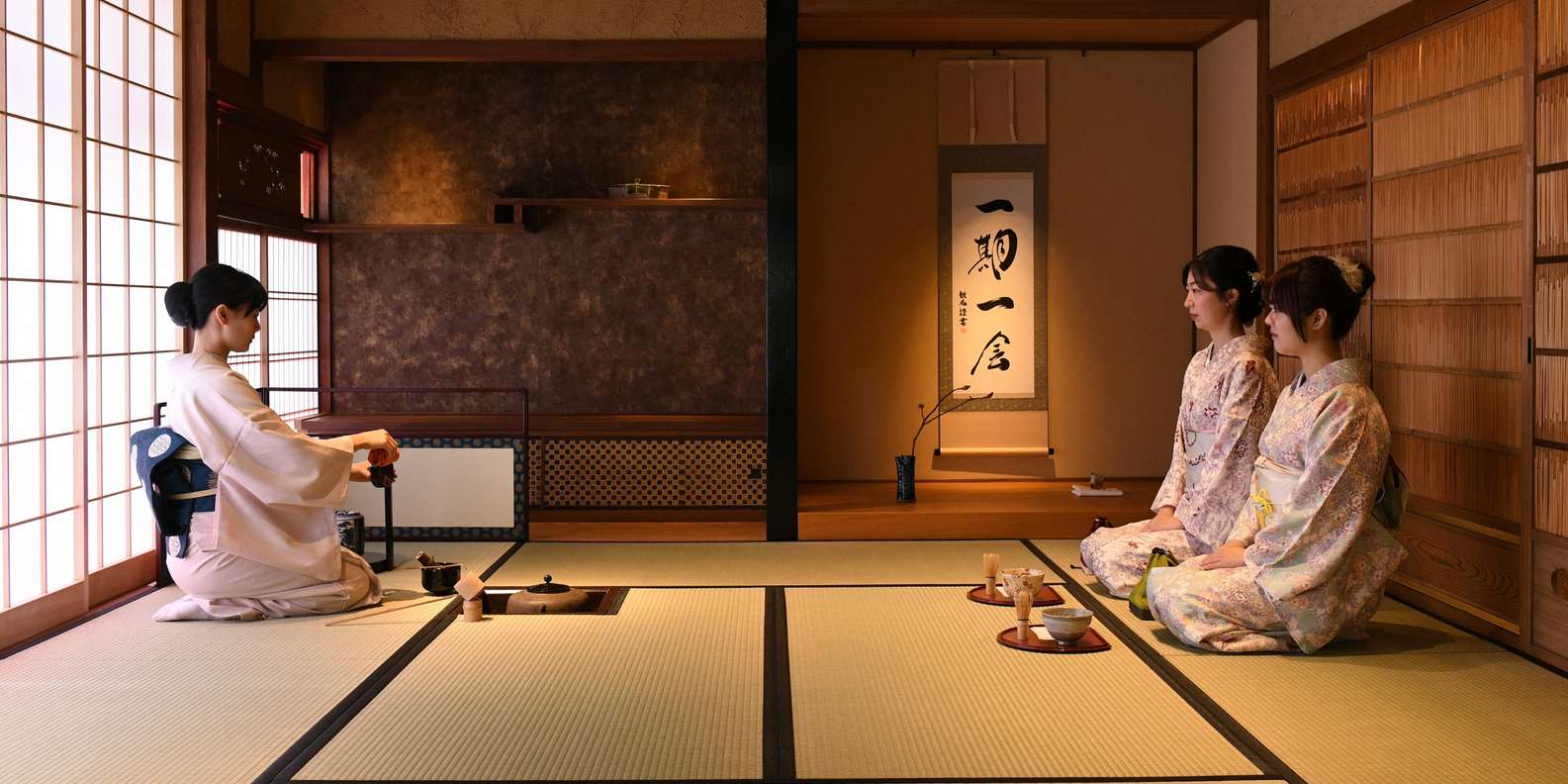
Kyoto: Tea Ceremony with Kimono and Photoshoot
Experience a traditional Japanese tea ceremony in Kyoto. Dress in a kimono and learn about the history and culture of the tea ceremony. Make your own matcha green tea and enjoy it with sweets.
 TOP RATED
Kyoto: Kimono Tea Ceremony with Matcha and Sweet
Experience a traditional tea ceremony in Kyoto. Dress in a kimono, learn about the history and etiquette of the ceremony, and enjoy matcha and Japanese sweets.
Silk, Matcha & the Setting
Why Do a Tea Ceremony in Kimono — and Why in Gion
The kimono isn't a costume add-on bolted onto the ritual — it changes how the whole thing feels. Here's what to know, and why Gion is the setting to do it in.
A tea ceremony and a kimono are the two experiences most visitors to Kyoto want, and pairing them is the most popular way to do either. But the kimono is more than a photo prop — wearing one quietly reshapes the ritual, and where you wear it matters as much as what you drink.
The kimono is part of the ritual, not a prop
The Japanese tea ceremony — chadō, “the way of tea” — was codified by the 16th-century tea master Sen no Rikyū, and it is built on slowness and deliberate movement. A kimono enforces exactly that. The obi holds you upright, the sleeves make you reach with care, and kneeling seiza on the tatami puts you in the posture the ceremony was designed around. Put plainly: it’s much easier to feel the wabi-sabi restraint of the ritual when you’re dressed for it than in jeans and a backpack. That’s why so many Kyoto ceremonies bundle the kimono, the dressing, and the matcha into one experience.
Gion or Kiyomizu — where to wear it
Both districts are right for this, with a different mood:
- Gion is Kyoto’s geisha quarter — lantern-lit machiya townhouses, wooden façades, and the best streets in the city to be photographed in kimono once the ceremony ends. If atmosphere is the point, Gion wins.
- Kiyomizu / Higashiyama wraps the ceremony in temple country — the sloping stone lanes up to Kiyomizu-dera are tailor-made for a post-ceremony walk in full kimono.
The featured ceremony and the options below cover both, from a top-rated Gion machiya house to a kimono-plus-photoshoot package.
What actually happens
No experience needed. You choose a kimono and are dressed by staff; you kneel at a low table or on the tatami; your host walks you through the etiquette in English; you whisk your own matcha with a bamboo chasen and drink it with a seasonal wagashi sweet. Start to finish is usually one to two hours, and you keep the kimono on throughout — most people head straight out for photos afterwards.
A quieter, deeper version
If you’d rather strip it back to the tea itself — a formal, non-kimono ceremony, a temple setting, or a small-group sitting focused purely on the matcha and the etiquette — Kyoto has those too. For the full range of tea ceremonies across the city, see our dedicated guide at teaceremonyinkyoto.com. And if you want the kimono without the ceremony, or to add a real maiko, see kimono rental in Kyoto and our Gion geisha experiences. When you’re ready to book the kimono version, check availability on any of the experiences above.
Guest Reviews
What Visitors Say
4.9/5
from 1826 verified visitors
"liked the demonstration and culture. loved the experience. the guide was helpful and knowledgeable"
"Highly recommended. The staff is so efficient and attentive, the outfit and hairdo beautiful and the ceremony very enriching."
"A beautiful and authentic tea ceremony experience 🍵 It was a peaceful moment to discover Japanese culture and traditions in a very calming atmosphere. The host was welcoming and explained each step clearly, making the experience easy to follow and enjoyable. A truly unique and memorable activity I highly recommend!"
"This was the highlight if my trip, definitely something I’ll remember the rest of my life. Our host Yuko was so sweet and kind. She was very informative and explained the tradition of tea ceramonies. I highly recommend!!"
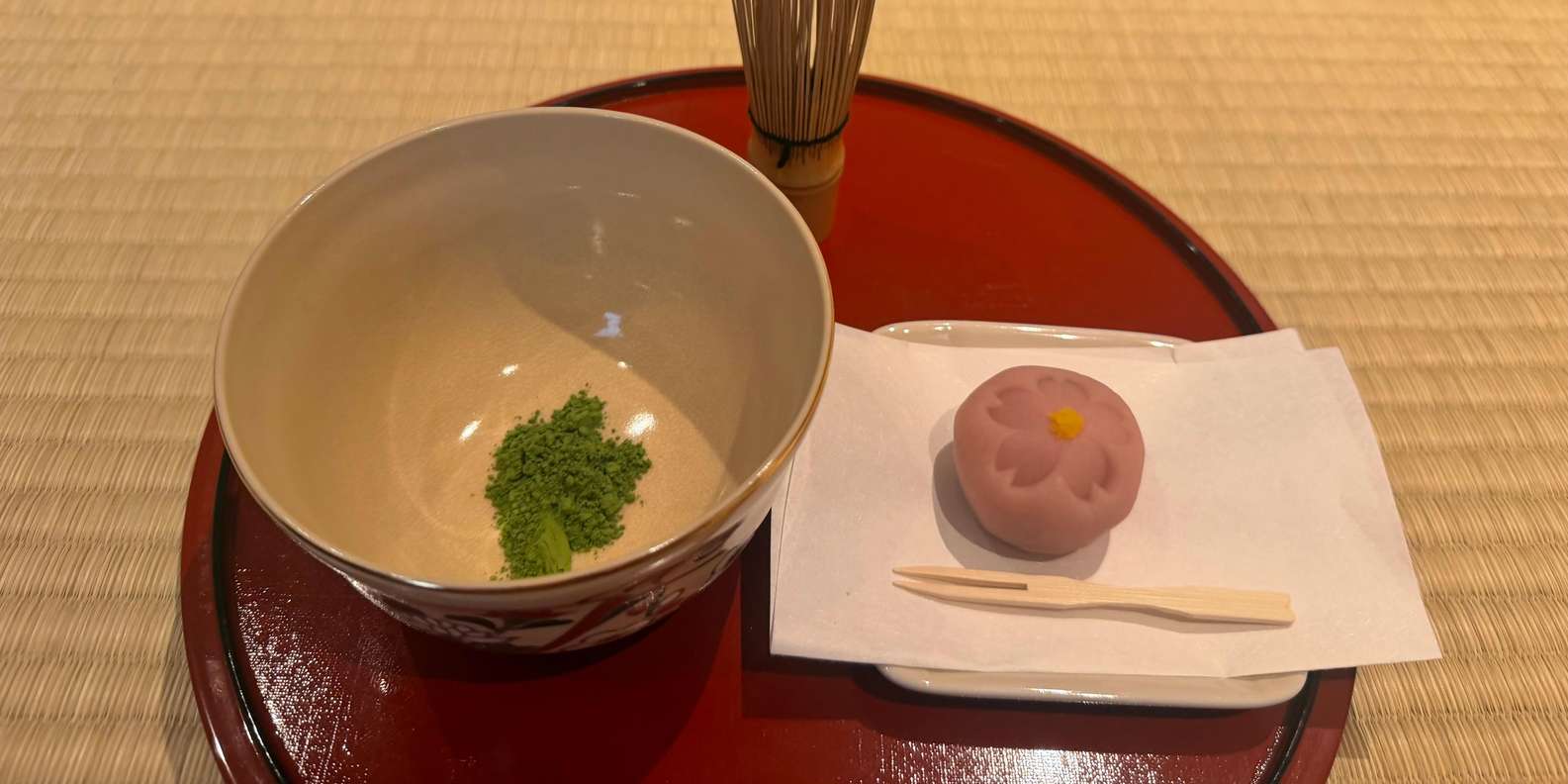
"Great experience, very informative! The only downside is that now I want to wear a kimono all the time!"
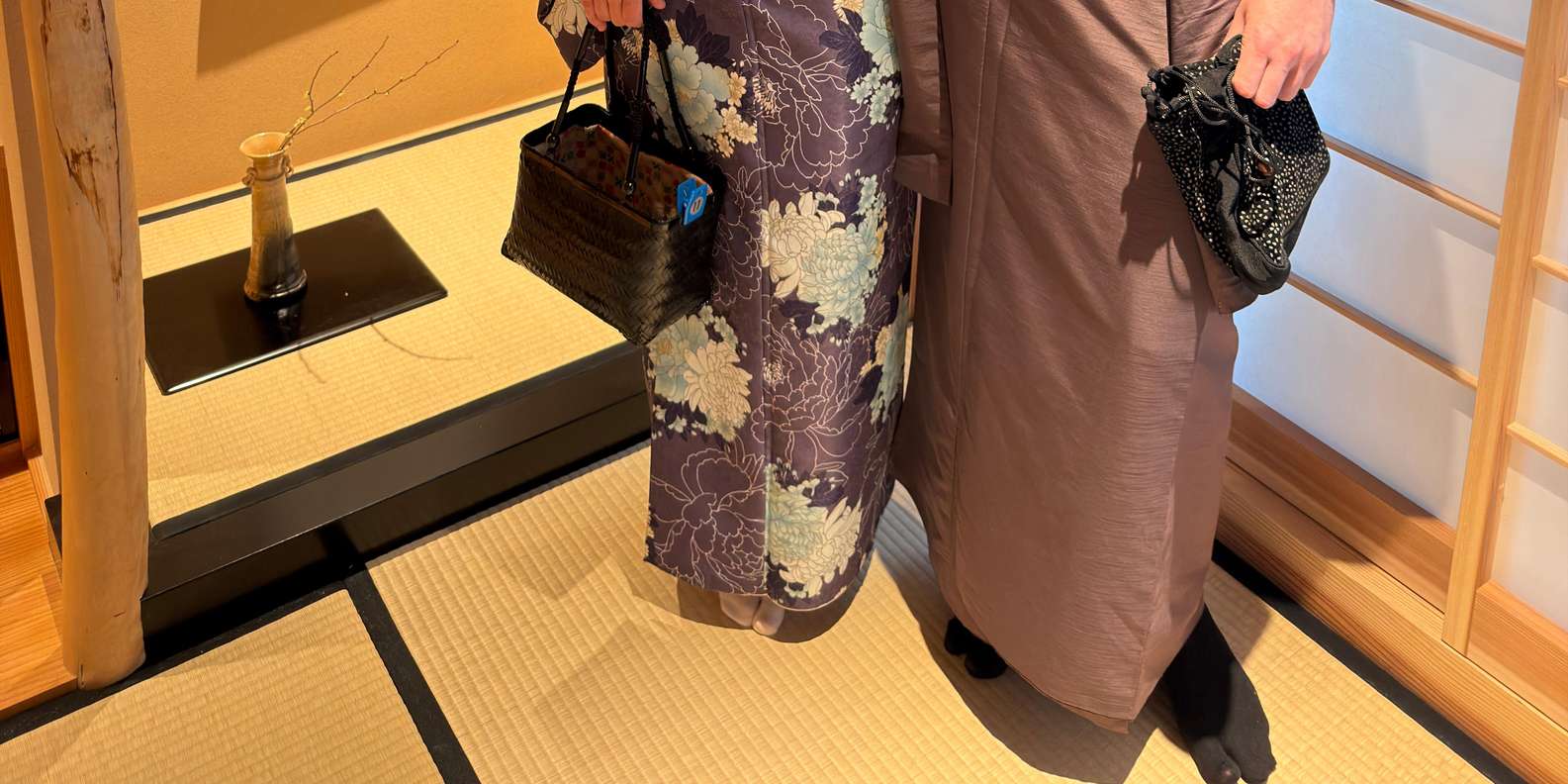
"This was so informative, and we felt we received great insight into how a tea ceremony is conducted. The host was incredibly kind, and the kimonos were beautiful. They were very efficient and helpful, and everything moved so smoothly, from getting dressed in the kimonos to having our hair styled. I was truly impressed. I would highly recommend this experience. I also took part in the calligraphy session, which was very pleasant and relaxing. They were very helpful, and I really appreciated that we were able to take home what we created."
"The activity was great! I really recommend do the calligraphy too so you can take something home. The help you dress and take photos. Totally recommend it!"
"This is my number 1 recommended activity for anyone visiting Kyoto! The stylists were amazing at helping choose the best hairstyles and helping put on the kimonos, they was so many options to choose from. The tea ceremony was incredible informative and delicious, with guides to help take a bunch of photos along the way. The calligraphy was a really fun souvenir to create and the guide was really good at teaching us how to write out everything."
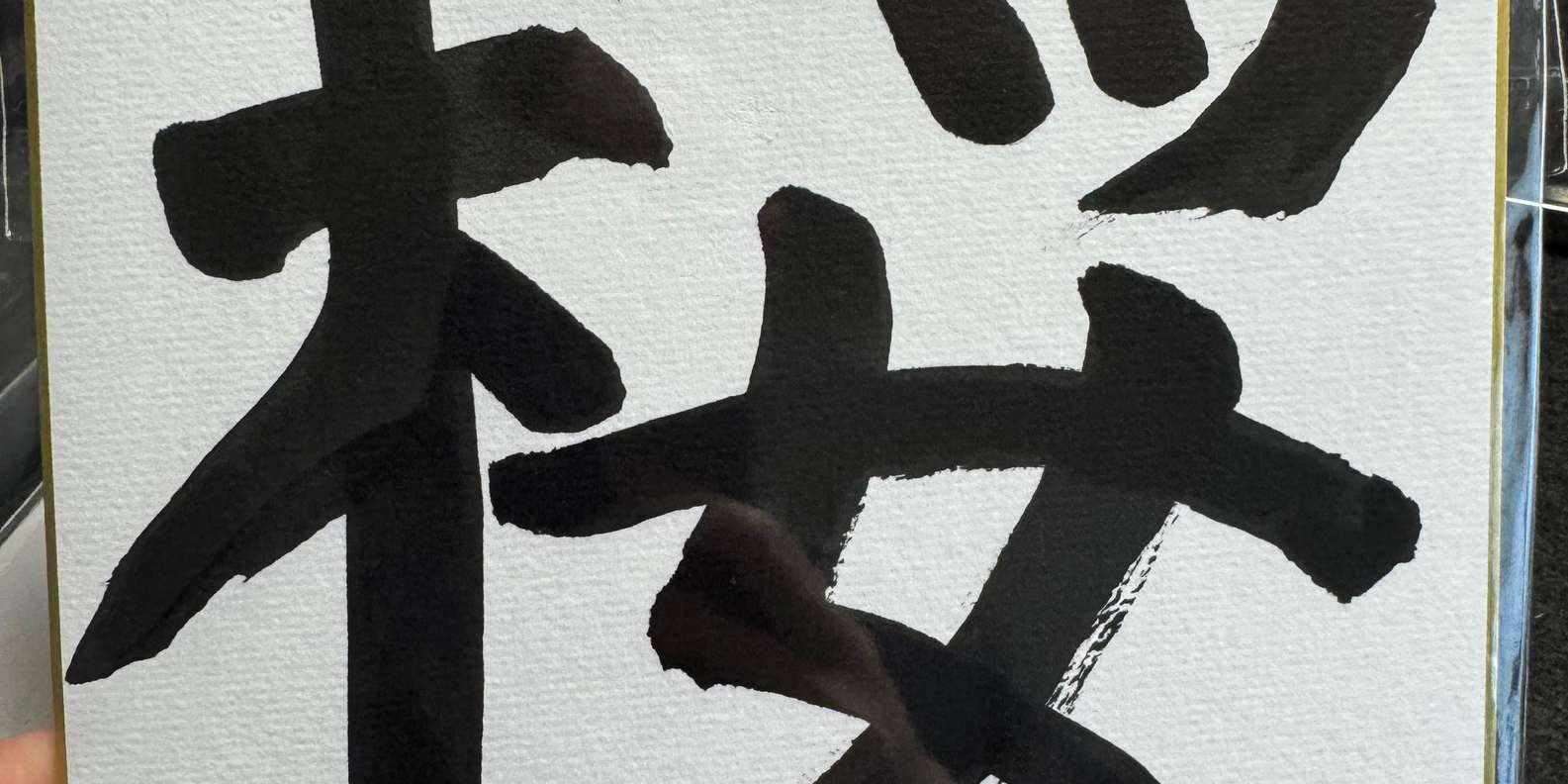

"We had a great time! The best part was getting dressed up in the kimonos and getting our hair done. The tea ceremony and calligraphy was very nice and everyone was very kind and accommodating."
"A very educational and informative cultural experience Great staff to work with Great selection of colors for the kimono Excellent calligraphy teacher as well as tea teacher"
"Amazing experience. So pleased to have done this. Would definitely recommend. Yuki, who lead the tea ceremony was so knowledgeable and such a great communicator. One of the favourite things we have done in Japan."
"It was amazing! Actually didn’t know we were going to dressed up kimonos. Was so much fun’nnn We enjoyed every minute of it!!!!highly recommend it!"
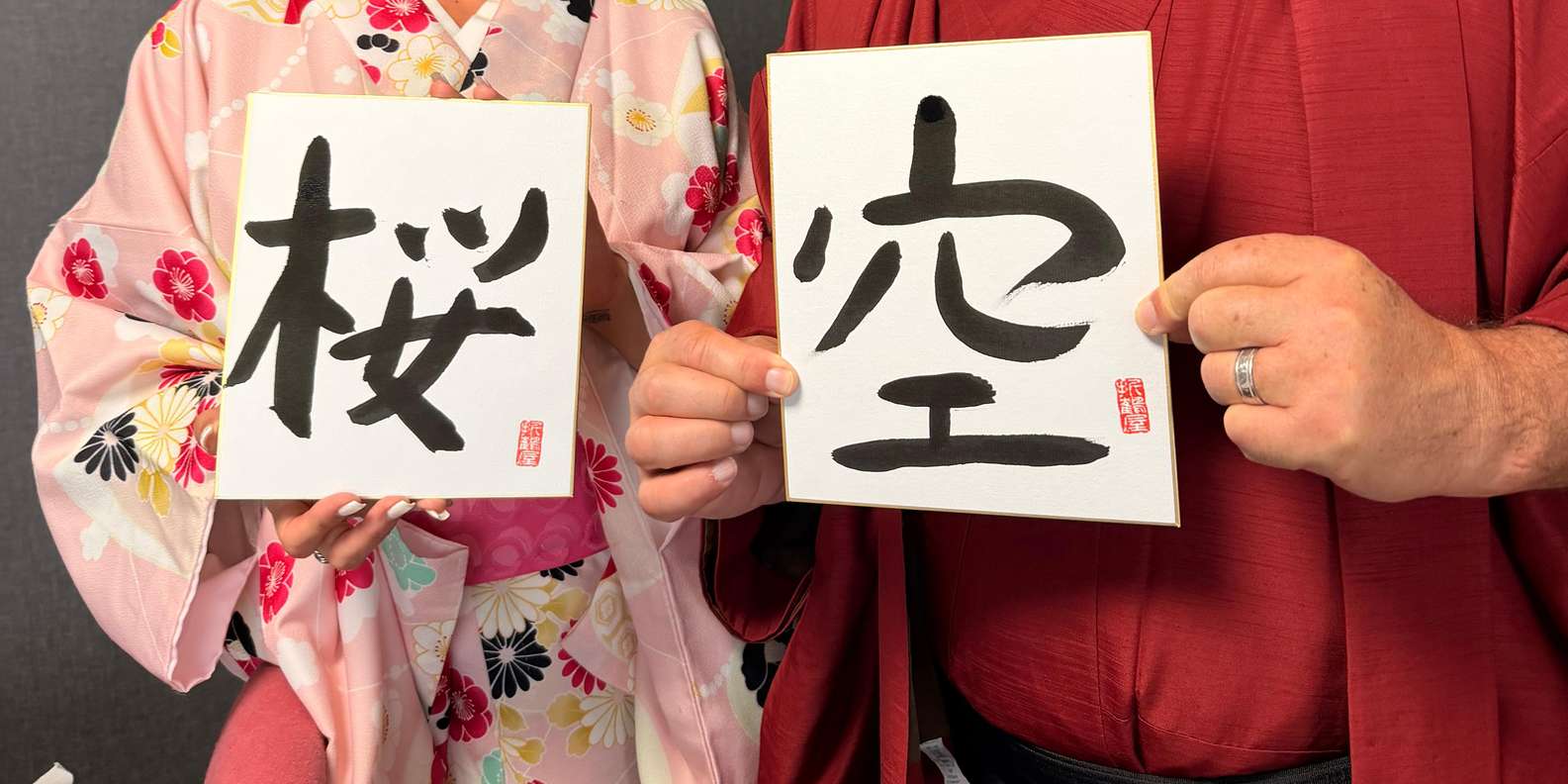
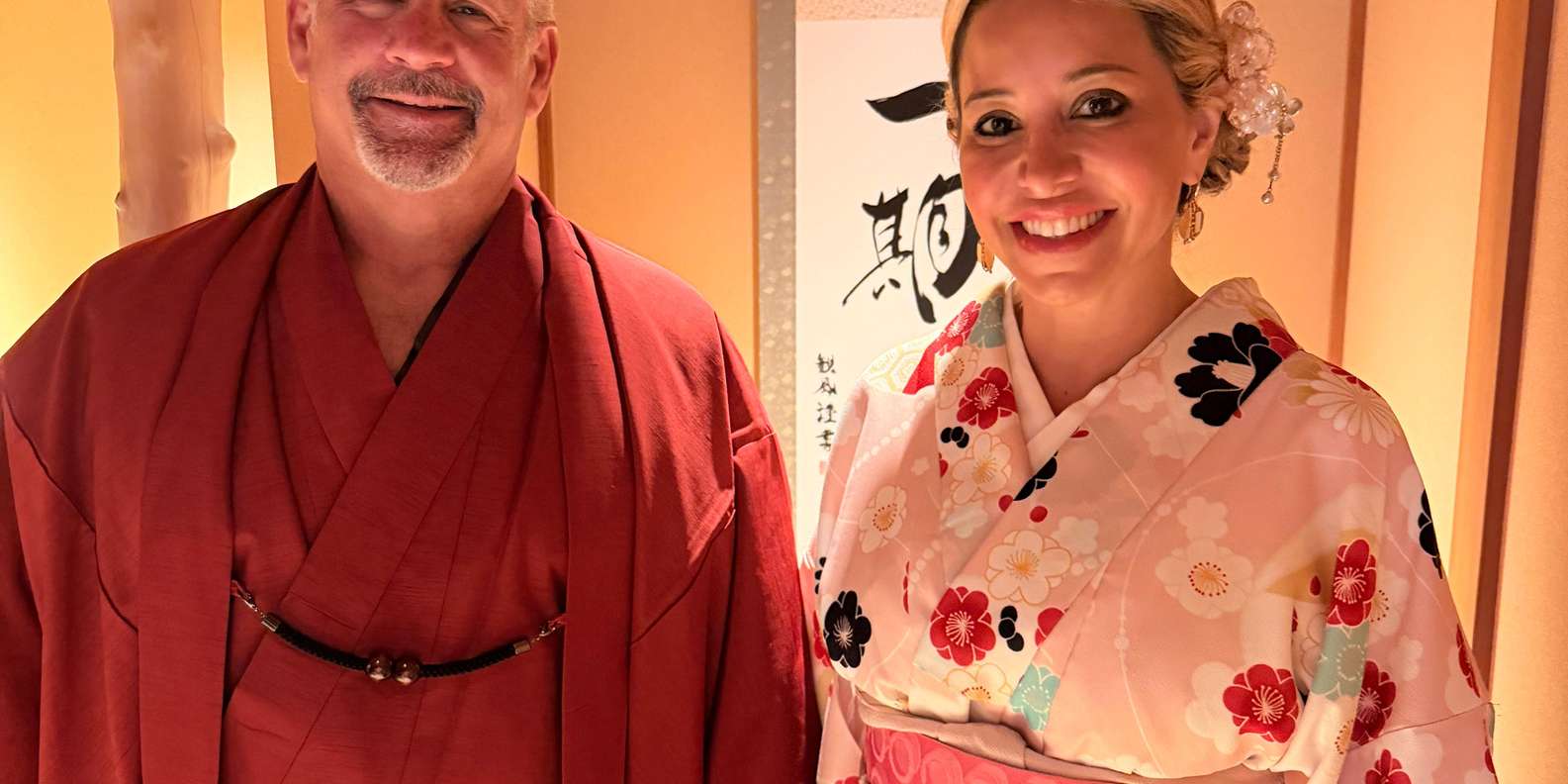
"The staff take the women and men into their respective dressing areas and allow us to choose our own kimonos and accessories, the staff were so polite and bubbly. Then you go over for the tea ceremony and get to make traditional matcha and learn about the history and whys. It was so much fun and a great experience, our guide was great and the staff were awesome!"
"The kimono tea ceremony was a truly beautiful and memorable experience. From the moment we arrived, the atmosphere was calm, elegant, and deeply rooted in tradition. Mariko was an absolutely amazing hostess - so gracious, kind, and sweet, making everyone feel genuinely welcome and at ease. Mariko’s warmth and attentiveness added something really special to the experience, making it not only enjoyable but also quite emotional in a heartwarming way. The support staff were also wonderful - equally welcoming and attentive, helping everything run smoothly and adding to the overall experience. It felt like more than just a ceremony - it was a meaningful cultural moment that will stay with us for a long time. Highly recommended."
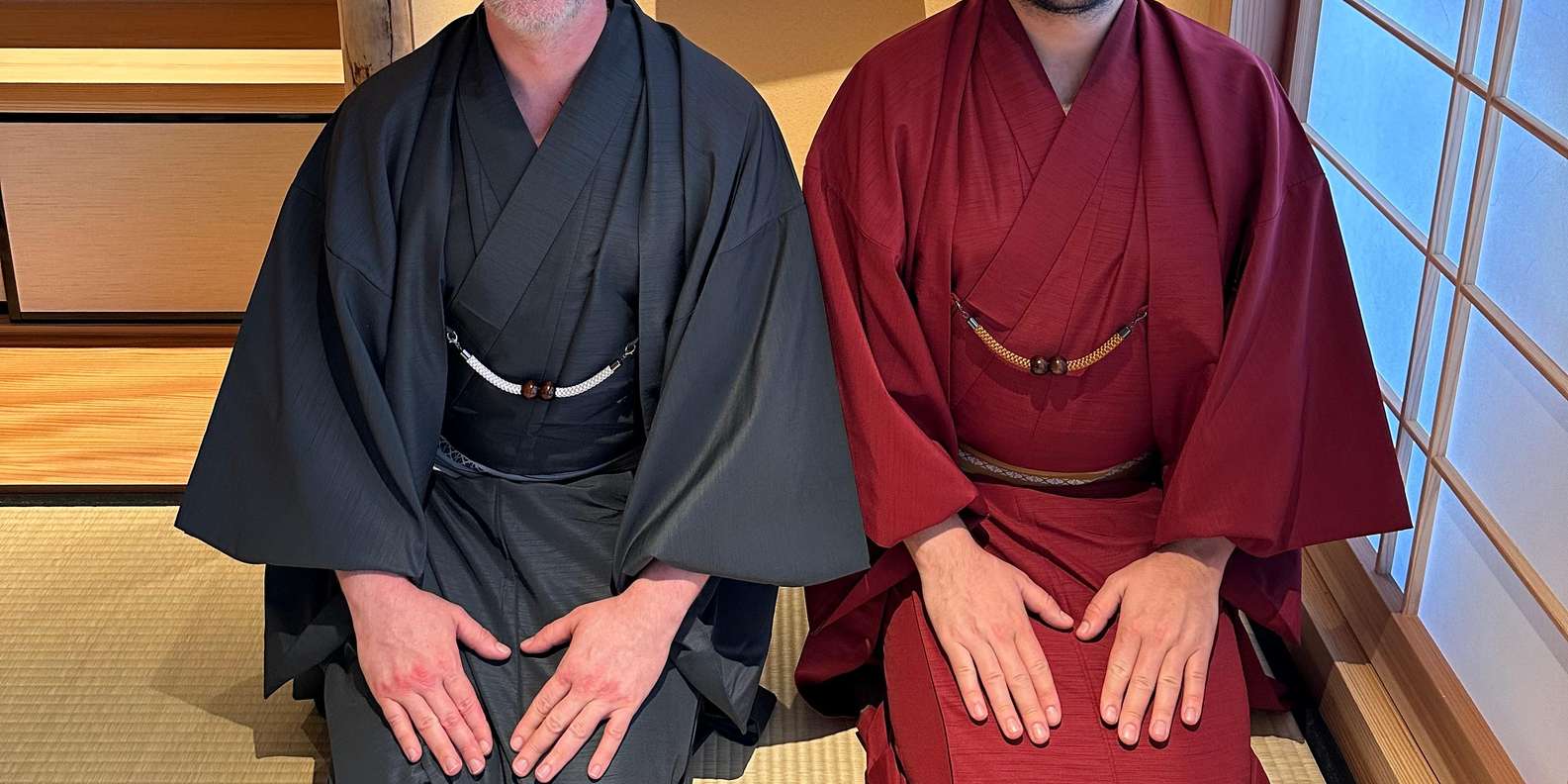
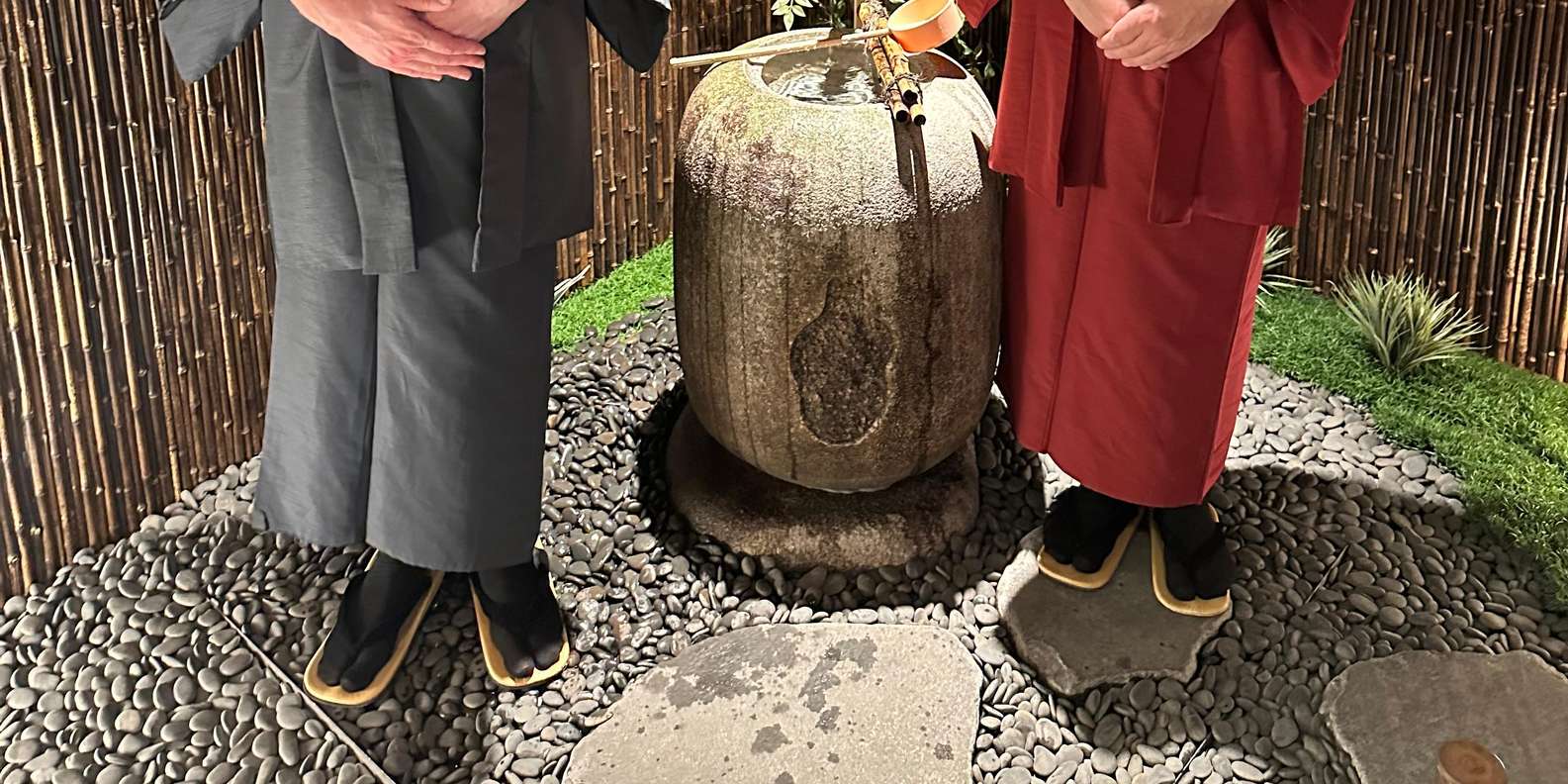
"Very nice and immersive ceremony. Very friendly staff. Enjoyed bothe the tea ceremony and the caligraphy"
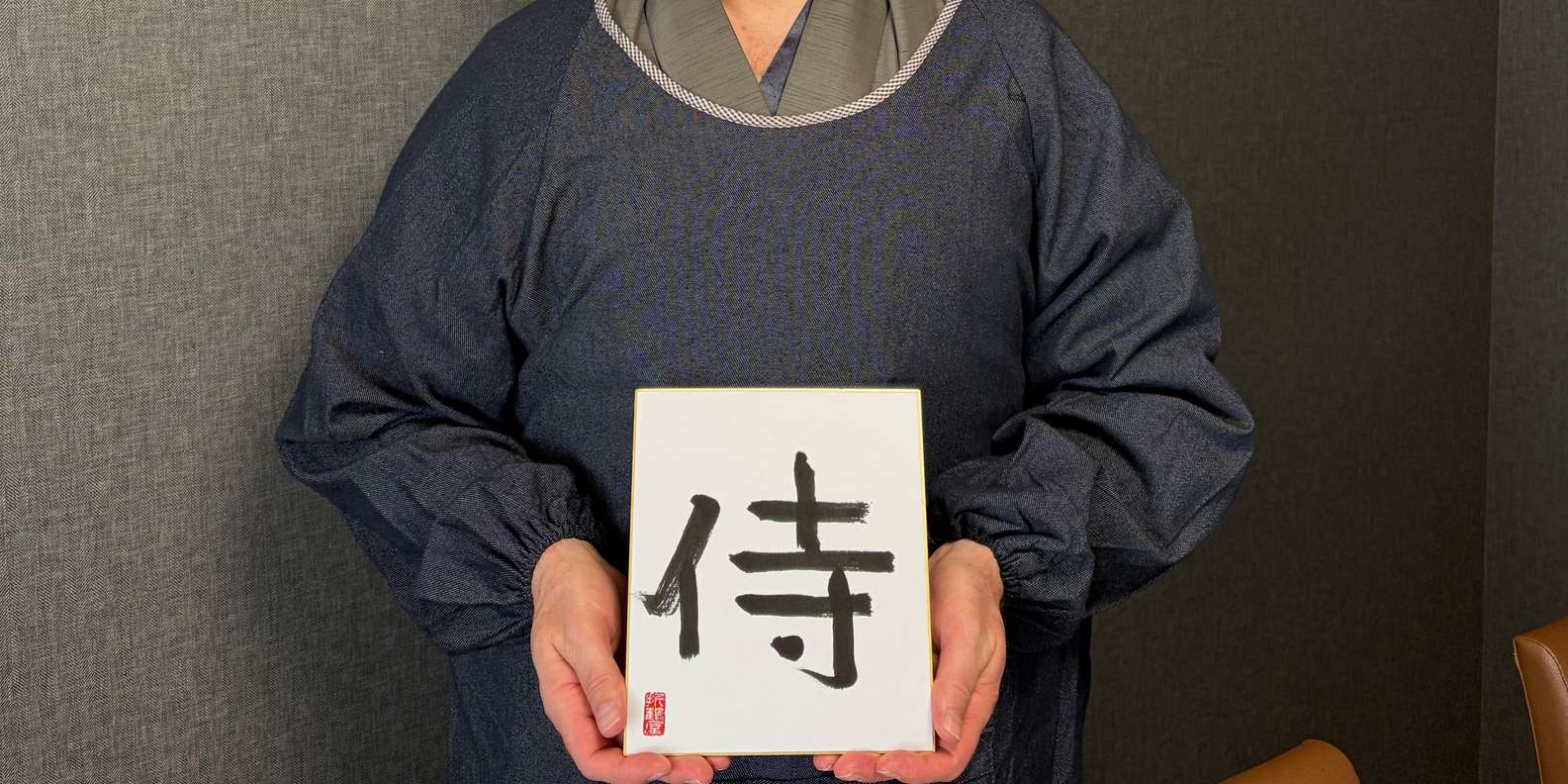
"Η ενδυμασία με κιμονό ήταν μοναδική. Μας έντυσαν και μας χτένισαν με τόση προσοχή! Η τελετή τσαγιού ήταν ωραία και γαλήνια αλλά η κυρία που μας μίλησε δεν ήξερε πολύ καλά αγγλικά και δυσκολευτήκαμε να την καταλάβουμε και συνεπώς να μάθουμε πολλά για την ιστορία. Το γλυκό και το τσάι δεν μας άρεσε πάρα πολύ. Η καλλιγραφία ήταν πολύ ωραία εμπειρία και δεν το περιμέναμε. Οι κοπέλες πολύ φιλικές, βοηθητικές και μιλούσαν καλά αγγλικά. Η όλη διαδικασία σε ηρεμούσε!"
"Fue una experiencia total, la introducción que hacen de toda la ceremonia y la experiencia de hacerlo de forma tradicional es genial, super amables y te ayudan en todo"
"Fabulous!!!!!!"
Read all 1826 verified reviews
See All ReviewsReady to Book Your Kyoto Experience?
Pick the right category for your trip — tea ceremony, geisha experience, sumo show, Fushimi Inari, day trip, or private tour. 119 tours compared with free cancellation. Starting from $48 per person.
Browse All Kyoto ToursFAQ — Kimono Tea Ceremony in Kyoto
Everything you need to know about booking a tea ceremony in kimono — what's included, where they happen, and photos.
On the experiences featured here, yes — the kimono and the help getting dressed (obi, collar, the lot) are included, and you wear it for the whole ceremony. A few cheaper, tea-only sessions don't include kimono, so check the specific tour: the ones on this page are the kimono-inclusive options. You don't bring anything yourself.
Both. Some are in Gion, Kyoto's geisha district, in historic machiya townhouses (the Orizuruya Gion ceremony is the classic); others are near Kiyomizu-dera in the Higashiyama temple quarter. Both areas have beautiful old lanes for photos afterwards. The exact address is confirmed by email when you book — pick by which part of Kyoto suits your day.
Yes, and most people do — that's half the appeal. You keep the kimono on through the ceremony and can walk the surrounding streets in it for photos. One option even includes a professional photoshoot in the lanes. If you only want the outfit and the photos without the tea ritual, a standalone kimono rental is the better fit.
Most Kyoto tea ceremony experiences run between 45 and 90 minutes. The shortest are matcha-whisking sessions at tea museums. Full traditional ceremonies with a tea master, wagashi sweets, and cultural explanation usually take an hour.
No. All tea ceremonies booked through major platforms are led by English-speaking tea masters or include an English-speaking translator. Your host will narrate each step in English — the preparation, whisking, and the etiquette of receiving the bowl.
Since the kimono is provided and fitted over your clothes, just wear something simple and comfortable underneath — you'll sit seiza (on folded legs) or cross-legged on tatami for part of the ceremony, so avoid anything too tight or bulky. The staff handle the kimono, obi, and collar for you; bring socks, as you'll remove your shoes at the entrance.
Most tea houses allow photos before and after the ceremony, but many request no photography during the actual preparation and service. Your host will clarify at the start. The best photos are usually of the tea bowl, wagashi sweets, and the tatami room setting.
A tea ceremony (chado) is a formal ritual with defined steps — receiving the bowl, turning it, drinking in three sips, and cleaning the bowl. A tea tasting is simply trying different grades of matcha or sencha without the ritual framework. Kyoto offers both; the ceremony is the more cultural experience.
Children over 8 typically do well in a tea ceremony — they enjoy whisking their own matcha and eating the wagashi sweet. Younger children may struggle with sitting still. Some tea houses offer family-friendly sessions with shorter, more interactive formats.
Yes — tea ceremony slots are capped at 6–12 people and sell out 1–3 days ahead in peak season (April-November). In low season, same-day bookings are sometimes possible. For weekends during cherry blossom or autumn foliage, book 1–2 weeks ahead.
Kyoto tea ceremonies range from $23 (museum matcha experiences) to $50–75 (traditional tea house with full ceremony and wagashi). Premium ceremonies with kimono dressing and maiko entertainment can run $100–150. The $35–50 tier is where most quality options live.
Matcha has three grades — ceremonial, premium, and culinary. Ceremonial-grade (from Uji, Kyoto's tea region) is hand-picked, stone-ground, vivid green, and sweet. Most tea ceremonies use premium or ceremonial grade. Low-grade culinary matcha is for cooking only.
Yes. Most tea houses have a small shop at the exit — ceremonial-grade matcha ($20–40 per 30g tin), a bamboo chasen whisk ($25–40), a chawan tea bowl, and a scoop (chashaku). The Uji area south of Kyoto is the best place to buy matcha wholesale.
Still have questions? Email us at info@thingstobookinkyoto.com